As a mounts supplier, I’ve spent years watching how our products fit into people’s daily lives—especially those of kids, whose curiosity and eagerness to explore make them perfect partners for any tool or gear that helps them engage with the world. When I first started working in this space, I thought mounts were just functional accessories, something to keep a camera or a night vision device in place so it didn’t get knocked around. But over time, talking to parents, teachers, and even the kids themselves, I’ve realized mounts are so much more: they’re tiny, flexible tools that shape how young people learn, create, and connect with the people around them. The right mount doesn’t just hold something steady—it can turn a casual backyard game into a science experiment, a walk in the woods into a storytelling adventure, and a quiet afternoon into a moment of shared growth. That’s why I want to share what I’ve learned about how mounts influence children’s development, not just as a supplier, but as someone who’s seen this play out in real homes, classrooms, and community spaces.
Let’s start with the most basic building block of childhood development: sensory and motor skill growth. Kids learn through touching, moving, and manipulating things, and mounts can make that process more intentional and fun, rather than a chore. Think about a 7-year-old who’s just gotten their first action camera—they might hold it in their hands while they ride a bike, but that’s tiring, and they can’t focus on the road or the treehouse they’re trying to capture. A mount solves that problem by freeing their hands, but it does more than that: it teaches them about balance, coordination, and cause and effect. When a kid uses a helmet mount to attach their camera, they have to adjust it so it’s not pointing down at their chest or too high that it blurs the view. They learn that a small shift in the mount’s position changes the entire perspective of their video—this is early spatial reasoning, a key skill for math, science, and even reading later in life.
I’ve seen this firsthand with a group of elementary school kids in a nearby school district who use mounts for a digital storytelling project. Their teachers paired them with basic helmet mounts, and each kid had to figure out how to secure the mount tightly enough that it wouldn’t slip during a hike, but not so tight that it hurt. One little girl told me she had to ask her dad to help her adjust the straps for her helmet mount— that was how she learned to communicate what she needed, another critical skill. When they got back to the classroom, they watched their videos and talked about how a mount that was off-center made their walk look like it was tilting. That experience turned a fun activity into a lesson in problem-solving: they tested different positions, tried tightening the screws a little more, and finally got it right. By the end of the project, every kid could explain how the mount’s design affected their view, and they were more confident in trying new things because they’d solved a small, real problem on their own.
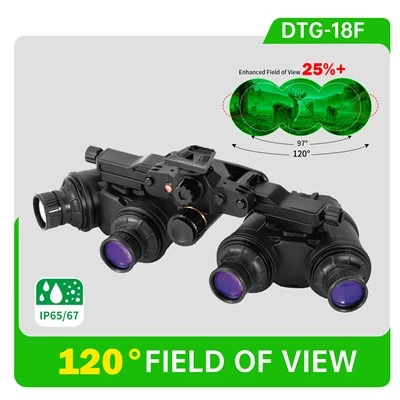
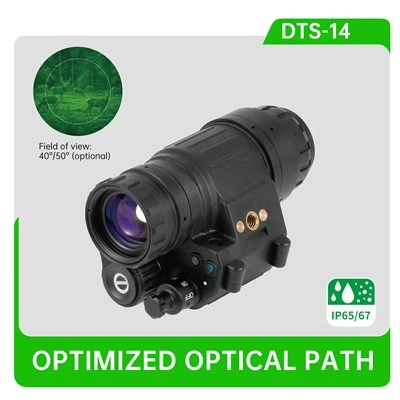
Next up is social and emotional development, which is just as important as motor skills when it comes to growing up. Mounts can turn solo activities into collaborative ones, and they can give kids a way to connect with others by sharing their perspectives. Take the example of a family using a night vision mount for a backyard camping trip. A lot of parents I work with say their kids get bored easily during family walks or campouts, but when you add a mount that lets a kid see in the dark, suddenly they’re the one leading the way—they spot the owl in the tree or the fireflies before anyone else. That small role makes them feel valued, and it encourages them to share what they see with their family. A mount like the Night Vsision Helmet Mount is built to be lightweight and easy for kids to adjust, so it doesn’t feel like a big, bulky piece of gear that’s too hard to use. When a kid puts it on, they’re not just wearing a piece of equipment—they’re stepping into a role where they can contribute to the group.
I remember a mom who told me her 9-year-old son was shy and hated speaking up during family activities, until they got him a mount for a field trip to a local nature reserve. He wore a camera mounted to his helmet, and after the trip, he made a video that showed all the birds he’d seen, with captions explaining each one. His family watched the video together, and he ended up leading a conversation about his favorite bird, something he’d never done before. That mount didn’t just help him capture good footage—it gave him a reason to talk, a way to share his interests with others, and a boost in self-esteem that carried over to school too. This is a big part of what mounts do for kids: they give them a tool to express themselves when words feel hard, and they create shared moments that bring people closer together.
Then there’s cognitive development—specifically, curiosity and the ability to think critically. Kids are natural scientists; they ask “why” about everything, and mounts can turn that curiosity into hands-on learning. When a kid uses a mount, they’re not just using a tool—they’re experimenting with how different setups work, and that experimentation builds the kind of flexible thinking that’s needed for school and beyond. For example, a 10-year-old who’s using a tactical PVS-7 helmet mount for a laser tag game isn’t just playing—they’re testing how high to place the mount so they can see opponents without blocking their own view of their teammates. They’ll try mounting it on the side of the helmet, then the front, then adjust the angle, and each time they learn something new about how their actions affect their results. This is the same kind of trial and error that scientists use, and it’s a habit that stays with them long after the game ends.
I’ve also worked with after-school programs that use mounts to teach kids about photography and film. One program had kids use helmet mounts and basic cameras to document their community—recording neighborhood parks, local events, and even conversations with community members. The kids would have to figure out where to place the mount to get the best shot, how to hold the camera steady, and how to edit their footage to tell a story. They started asking questions like “Why does this mount make the video shake more?” and “How can we adjust it to get a clearer picture?” That’s critical thinking in action—they’re not just following instructions, they’re analyzing, questioning, and finding solutions. The program’s director told me that the kids who used mounts were more engaged in their schoolwork, especially in subjects like science and writing, because they were used to the process of asking questions and finding answers through hands-on work.
Of course, I’d be remiss if I didn’t talk about safety, because that’s a top concern for every parent. A good mount doesn’t just help with development—it keeps kids safe while they’re exploring and playing. When a mount is designed for a child’s helmet, it fits securely without blocking their vision or getting in the way of their ability to move. Take our PVS31 WILCO Helmet Mount, for example—it’s engineered to attach to standard helmets without adding extra bulk, so a kid can wear it while biking, hiking, or playing sports without feeling like it’s weighing them down. It’s also made from durable, lightweight materials that won’t scratch the helmet or the device it’s holding, which means it lasts longer and works better when a kid is using it. Safety isn’t just about protecting the kid’s body—it’s about giving them the confidence to take risks and explore, because they know their gear is reliable.
I’ve seen this come up with parents of kids who wear helmets for sports or outdoor activities. A parent told me they used to worry about their son riding his bike with a camera, because he’d hold it with his hands and almost crash a few times. Once we worked with them to find the right mount, he started riding more confidently because his hands were free to steer, and the camera was securely attached to his helmet. That small change made a huge difference in his willingness to try new things, like riding on trails or doing small jumps, because he didn’t have to worry about his camera falling. For kids, safety is the foundation of all exploration—without it, they’re less likely to take the kinds of chances that lead to learning and growth, and a good mount provides that foundation.
Now, I know some people might wonder if mounts are too complicated for kids, or if they’ll take away from the joy of play. But from what I’ve seen, that’s not the case at all. The best mounts for kids are designed to be easy to use, with simple adjustment mechanisms that even a 6 or 7-year-old can figure out with a little help. Our Helmet Brackets for Head Mounted Devices, for example, have quick-release clips that let a kid take the device on and off without asking an adult every time. That independence is key—when a kid can use a mount on their own, they feel more capable, and play becomes more their own.
I also think it’s important to address a common misconception: that mounts are only for “extreme” activities or older kids. But we’ve worked with kids as young as 5 who use mounts for things like garden projects—attaching a small camera to their helmet to document how their tomato plants grow. It’s a simple activity, but it teaches them about patience, observation, and responsibility. They have to remember to turn on the camera every day, adjust the mount so it’s focused on the plants, and then look at the footage a week later to see how much the plants have changed. That’s not just play—it’s early science, and it’s all made possible by a mount that fits their small helmet and is easy for them to use.


As a mounts supplier, my goal isn’t just to sell products—it’s to help kids grow, learn, and feel confident exploring the world around them. Every mount we design is made with kids in mind, because I’ve seen firsthand how a small, well-made accessory can have a big impact on a child’s development. Whether it’s helping a kid master a new motor skill, feel more comfortable sharing their ideas, or explore their curiosity about the world, mounts are more than just functional gear—they’re tools for growth.
If you’re a parent, teacher, or program coordinator looking for high-quality mounts that are safe, easy to use, and designed for kids, we have a range of options to fit every need. Our collection includes mounts for night vision, tactical use, camera devices, and more, all engineered to meet the unique needs of growing kids and their activities. We’re always happy to help you find the right mount for your child’s interests and needs, and we’re here to answer any questions you have about how our products can support learning and development. If you’re interested in learning more or discussing your specific requirements, we encourage you to reach out to our team for a consultation.
References
- Berk, L. E. (2021). Child development: From infancy to adolescence. Pearson Education.
- National Association for the Education of Young Children. (2020). Play and learning: The importance of play in early childhood. NAEYC.
- Shonkoff, J. P., & Phillips, D. A. (2000). From neurons to neighborhoods: The science of early childhood development. National Academies Press.
- Singer, D. G., Golinkoff, R. M., & Hirsh-Pasek, K. (2006). Play = learning: How play motivates and enhances children’s cognitive and social-emotional growth. Oxford University Press.
- World Health Organization. (2021). Guidelines on physical activity, sedentary behaviour and sleep for children under 5 years of age. WHO Press.