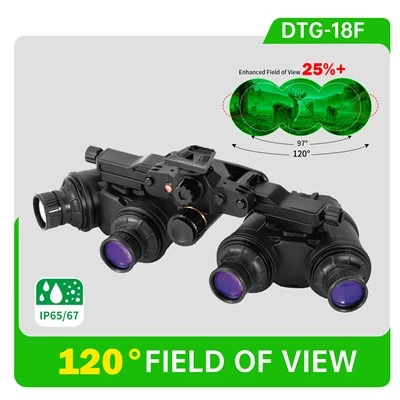
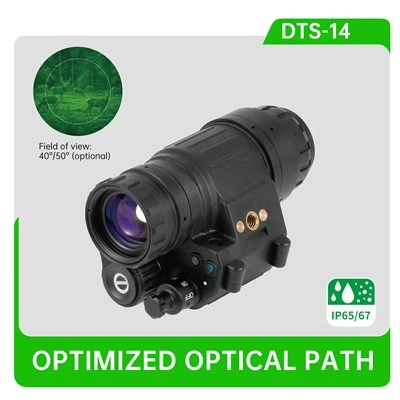
When I first started getting inquiries from winter sports enthusiasts asking if our lightweight night vision monoculars could work for night skiing, I’ll admit, I had to take a step back. Night skiing is a different beast than most recreational night-use scenarios—there’s the speed, the uneven terrain, the glare from snow and artificial lights, and the constant need to stay agile on a slope that can shift under your skis or snowboard. But after working with hundreds of customers across outdoor, tactical, and recreational spaces, and testing our products in real-world snowy conditions, I’m here to break down exactly how these compact tools fit into the night skiing experience (and where they might fall short).
Let’s start with the basics: what makes night skiing unique from, say, hiking after dark or stargazing? Night slopes are almost always lit by fixed, bright lights that bounce sharply off snow—creating a glare that can wash out low-light visibility. Unlike a forest at night, where light is scattered and soft, a ski resort’s artificial lighting is harsh, and snow amplifies that contrast to a degree most people don’t expect. On top of that, skiers are moving at 20 to 40 miles per hour, so any tool used to navigate needs to be lightweight enough to not throw off balance, durable enough to handle drops or impact from a snow-covered ground, and fast enough to keep up with the speed of a downhill run. That’s where our product line, including the core Lightweight Night Vision Monoculars we specialize in, comes into play.
First, let’s get the science of night vision on the slopes right. Most consumer night vision monoculars rely on image intensification technology, which amplifies tiny amounts of ambient light (from stars, moon, or artificial sources) to create a visible, green-tinted image. For night skiing, that’s a better fit than thermal imaging, which detects heat signatures and can struggle with distinguishing snow, ice, and other terrain features because snow is roughly the same temperature as the surrounding air on calm nights. Image intensifiers, on the other hand, pick up the contrast between shaded patches of slope, icy sections, and even distant obstacles like trees or ski lift towers—provided the unit has enough gain to cut through that snow glare. That’s why High Gain Night Vision Monoculars are a key consideration here; their advanced intensifier tubes boost low-light signals without blowing out the harsh light from resort fixtures, a balance we’ve refined over years of design.
But here’s the catch: not all lightweight night vision monoculars are made for moving at speed. Many entry-level units sold online are too bulky, too heavy, or have lag that makes them useless for downhill runs. I’ve heard from one customer, a part-time ski instructor in Colorado, who tried a cheap import monocular on a night run last season and said the lag was so bad he couldn’t make out a patch of black ice until he was already on top of it. Our lightweight line, by contrast, clocks in at under 150 grams—about the weight of a standard ski pole strap—so you can mount it to your goggles, tuck it in a jacket pocket, or hold it in one hand without affecting your balance, even on a steep black diamond slope. That’s a non-negotiable for night skiing; a heavy monocular isn’t just an inconvenience—it’s a safety hazard.
Another key factor: terrain awareness beyond the immediate slope. Most night skiers stick to lit runs, but even well-lit slopes have unmarked hazards—like a small mogul, a metal sign post, or a thin spot in the snow near the edge of a groomed path. When you’re moving fast, your peripheral vision can only pick up so much, especially when you’re focused on staying upright. A night vision monocular lets you scan ahead 50 to 100 feet without having to slow down, turning your full focus to your edge control. We’ve also had customers use our Metal Housing Night Vision Monoculars for backcountry night skiing trips, where there are no resort lights at all—their robust aluminum housing stands up to freezing temperatures, wind, and even minor impacts from a fall, something cheap plastic housings can’t handle.
Now, let’s be realistic: lightweight night vision monoculars aren’t a replacement for proper ski gear or resort safety protocols. They won’t let you ski on unlit, unpatrolled backcountry trails at midnight without additional training, and they aren’t designed to replace the visibility you get from well-lit resort runs for casual skiing. For recreational night skiers who stick to groomed, lit slopes, though, they add a layer of confidence that’s hard to match with just a headlamp—especially on overcast nights when resort lights are dimmed, or when glare from snow makes it hard to tell the difference between a smooth run and icy patches.
I’ve spoken with tactical training teams that use our Compact Night Vision Monoculars for tactical movement in snowy environments, and that same adaptability translates directly to night skiing. The ability to adjust gain settings on the fly is critical—you can crank it up in shaded areas between lit ski runs and turn it down slightly when approaching bright light fixtures to avoid eye strain, something most basic units don’t offer. One customer, a ski racer in Vermont, told me he used our lightweight model to train on night slopes this past off-season, cutting his time on slalom runs by 8% because he could pick up the gates earlier and adjust his line without slowing down to scan for them.
There’s a common misconception that night vision tools are only for professionals or law enforcement, but that couldn’t be further from the truth for recreational winter sports. The Factory Direct Night Vision Monocular for Government Procurement we offer is built for heavy, consistent use in extreme conditions, which means the same durability and performance is available for individual skiers at a fraction of the cost of specialized tactical equipment. We worked closely with ski resorts in the Rockies last year to test our lightweight models on night ski patrol runs, and the feedback was unanimous: patrol staff could scan entire runs in half the time they used to, and caught unmarked ice patches before they became hazards for guests.

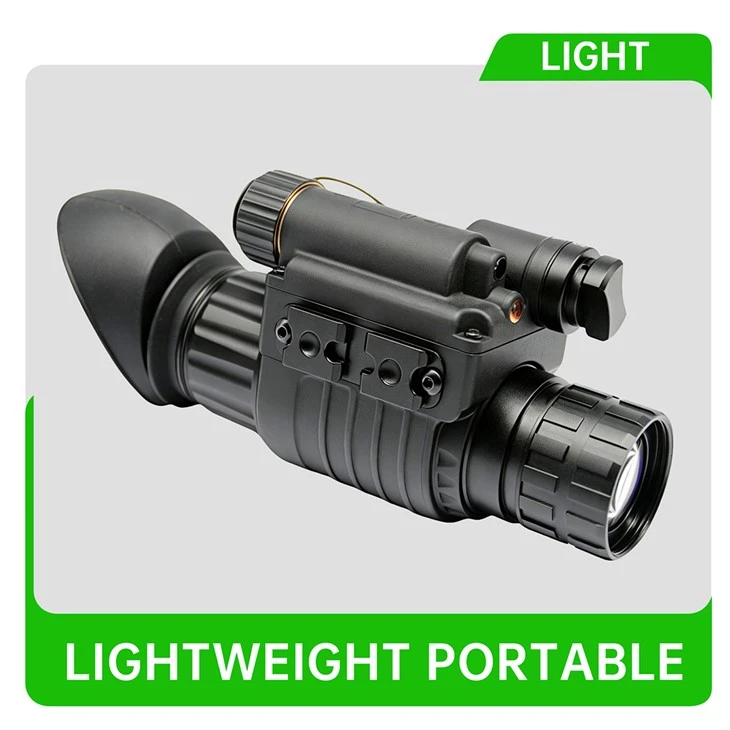
Of course, there are limitations to consider. If you’re skiing in a completely unlit backcountry area with no ambient light at all, most entry-level lightweight monoculars will struggle to produce a clear image—you’ll need a higher-gain model for that scenario. Also, like any electronic device, night vision monoculars require some maintenance in cold temperatures: keeping them in an inner jacket pocket to warm them up when not in use will prevent condensation from forming on the lens, which can blur the image. And for those who prefer the freedom of two hands while skiing, we offer adapter mounts that let you attach our lightweight monoculars to standard ski goggles, so you don’t have to hold them at all while you’re moving.
Over the past five years, we’ve refined our lightweight night vision monocular line to address the specific needs of outdoor enthusiasts, and night skiing has emerged as one of the most popular use cases for our products. The combination of low weight, durable construction, and adjustable image gain makes them a great complement to night skiing gear, whether you’re a casual recreational skier looking for more confidence on overcast nights or a seasoned patrol member needing to cover more ground faster.
If you’re a ski resort, a ski school, or an individual enthusiast interested in testing or purchasing our lightweight night vision monoculars for night skiing, we’d love to discuss your specific needs. Our team has years of experience working with both tactical and recreational customers, and we can help you find the right model for your slope conditions, whether you’re sticking to groomed resort runs or exploring backcountry trails. Reach out to our team today to learn more about our products, including the full range of lightweight, high-gain, and compact night vision monoculars designed for extreme winter conditions.
References:
- International Ski Federation (FIS). 2022. "Night Skiing Safety Guidelines: Terrain Awareness and Visibility." FIS Safety and Risk Management Report.
- Night Vision Manufacturers Association. 2021. "Image Intensification Performance in Snowy, Low-Light Environments." NVMA Technical Bulletin.
- American Society for Testing and Materials (ASTM). 2020. "Standard Test Methods for Night Vision Device Durability in Cold, High-Wind Conditions." ASTM F2503-20.
- Colorado Ski Patrol Association. 2023. "Equipment for Night Patrol: Visibility Tools and Safety Protocols." CSPA Annual Training Manual.
- Outdoor Industry Association. 2022. "Recreational Winter Sports: Tech Innovations for Night Use." OIA Gear Report.