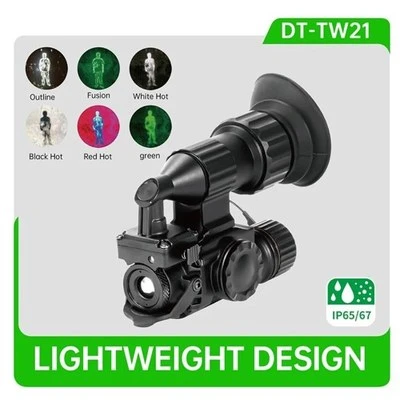
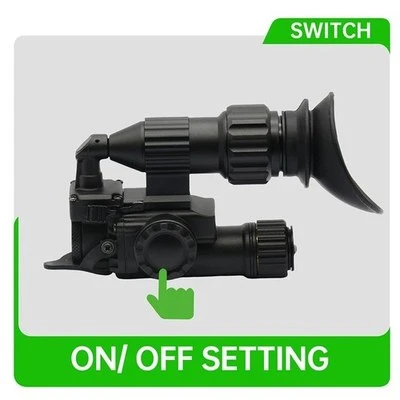
A handheld thermal viewer can show a warm animal in an opening and lose the view as soon as the animal moves behind thick leaves. The device is reading infrared energy reaching its sensor from the visible parts of the scene. Where vegetation interrupts that path, the viewer may primarily show the leaves, branches or other surfaces in front. A guide can wait at an authorized observation point and record what appeared. A hidden or absent image is insufficient to determine what is behind the vegetation.
The practical implication of thermal viewing through vegetation limitations is to plan trials around normal sightlines and distinguish visible evidence from a possible interpretation. Detyl describes its compact thermal monocular as capable of handheld use. Verify the exact device, documentation and permitted nature-observation setup before choosing a sample. A specification for a clear test scene does not establish the outcome on a partly screened trail.
Observe the open parts of the sceneRecord what is visible from a permitted location and mark uncertainty.
Detyl compact thermal monocular · Detyl company and production overview
The hedge is part of the image
A viewer aimed toward a hedge may show a pattern of leaves, exposed ground and warmer objects in openings. If the subject is only partly visible, an outline or moving patch can be hard to interpret. Think about which portions of the scene the guide can actually see from their approved point. A stationary warm area may come from something other than an animal. Keep the physical scene and the observed result together in the guide's description.
The amount of usable view can change in a few steps even if no viewer setting changes. A branch can cover a gap at one position and leave it open from another authorized viewing point. Weather, background and the condition of foliage can also affect appearance. Do not generalize an observation from one position into a claim about the entire site. If local rules limit where visitors may stand, record the limits and make any sample trial respect them.
Be precise about an incomplete shape
A guide may report a moving warm shape visible briefly between two branches. That statement describes what they actually saw and gives another person a chance to understand the limitation. A confident species label, distance or count may require other approved observations. The team can document uncertainty without treating it as a problem that the guide must resolve during the tour.
Give the sample two known scenes
| Trial scene | Keep constant where practical | Record separately |
|---|---|---|
| Open observation scene | Permitted viewing position, device, subject and intended mode | Observable contrast and what the guide could describe |
| Partly screened comparison | Comparable subject and setup with an illustrative barrier | What disappeared, which parts remained visible and uncertainty |
| Typical tour stop | Authorized route, usual guide workflow and normal gear | Restricted areas, weather and actual usable view |
| Review afterward | Same observation language and evidence standard | Which observations were independently corroborated if applicable |
Use a controlled, permitted comparison with a stationary object rather than trying to handle wildlife. In an illustrative exercise, a guide observes a known reference object in an open scene, then compares it with an approved setup that partially blocks the view. Ask the guide to describe observable differences before discussing the expected answer. That can help a buyer distinguish basic display usability from a realistic limitation of the viewing position.
Choose a few practical moments where the guide uses the device. They may want to get oriented, distinguish a screened view from a clear one and hand the instrument back without losing the position. Record which observer, sample and approved route the entry describes. An experienced operator may recognize the layout quickly while a new guide needs a note indicating where the view is limited. The difference can become a training or sample-selection question.
Do not aim the trial at a protected area, collect sensitive locations unnecessarily or change visiting behavior to get a clearer image. Follow local rules and tour management for access and animal welfare. A buyer can obtain useful evidence without publishing precise wildlife locations, potentially sensitive photographs or visitor information. Ask the tour operator how internal records and any public claims will be reviewed.
Compare device information with what happened at the stop
Ask the supplier for the exact handheld sample configuration, current observation documentation and controls that matter in the allowed test. A field-of-view claim, image mode or display feature may help a buyer screen models, but it cannot remove a physical obstruction. If wildlife staff ask about identification, record what other lawful observations may be available under their procedures. Make independent confirmation and uncertainty visible in a final decision.
In the sample report, a change in an image can have several meanings. A guide may lose sight because of foliage, a different direction, a setting or a shift in position. Record those before assigning a cause. If a controlled comparison is needed, use the same authorized conditions as closely as practical and identify any differences. Preserve the initial result with its duration and confidence even after a repeat test.
A buyer comparing two models should specify which question is open. It might be readability under normal handling, or ability to follow visible parts of a scene without changing the approved route. Set an observable task and use appropriate equipment. Make the manufacturer's data and the team observations easy to find. Do not express a short field exercise as a maximum range or species identification commitment.
Decide what a guide should say when the scene changes
Write a short instruction covering what the guide can observe and what should be held as uncertain. If a visitor asks whether a shape has moved behind a hedge, the guide can describe the last visible observation and its limits. Establish when an observation belongs in a restricted internal record and when it can be described to guests. The person responsible for wildlife policy should review any wording that makes a formal claim.
For an illustrative handover, the first operator sees a brief moving form at the exposed left edge and later cannot see it where foliage covers the scene. The next operator should receive the approved viewing area, time, conditions and what was actually observed. The note does not need an inferred direction or pursuit route. If independent confirmation never occurred, preserve that uncertainty rather than adding specificity after the fact.
Keep a record of the usable view, not just the device
The site lead can review repeated limits at a permitted stop and decide whether a future briefing needs a clearer expectation. If one model is easier to handle while delivering suitable evidence in the approved setup, record that benefit. If the main limitation is occlusion, the equipment decision and trail decision should retain their own owners.
Review future changes against the same purpose. If seasonal foliage alters the normal view, repeat the approved observation exercise in appropriate conditions and keep the new record separate. Allow the guide to identify where the scene has changed rather than treating old notes as an expected result. An available device, defined role and clear language are more useful than promising certainty in a situation where foliage prevents the needed view. Where the supplier contributes a demonstration or documentation, ask it to identify the exact sample and conditions. Give the new guide a small example that includes uncertainty rather than an overly polished description of the best available image.
Choose words the tour team can defend
Give guides two or three examples of acceptable descriptions. "Observed briefly through an opening, source unconfirmed" can be sufficient for a guest question where conditions prevented a full view. A technical buyer working from trial records needs more detail about the device and exact permitted observation point. Use files that fit their purpose, and ask the wildlife lead which observations must remain internal.
If the trial exercise uses a reference object and a permitted screen, tell the next reviewer what those conditions represent and where they differ from the real site. A bench scene can help establish that observers describe a limited view consistently. It says little about how often animals will be visible. If a second test is justified, use an authorized location and measure an observable task the equipment and guides can reasonably repeat. Preserve enough detail to compare those scoped results later.

Detyl's own production information can help buyers identify support contacts and the nature of an equipment inquiry. Keep that supplier evaluation separate from evidence about wildlife or visibility at the tour stop.
Questions about a screened view
Can a handheld thermal viewer see an animal behind leaves?
A physical obstruction can prevent its infrared emissions from reaching the viewer. Gaps may reveal part of a warm subject. Treat what appears through an opening as a limited observation in the stated conditions.
Does increased display magnification remove obstruction?
It changes how the available image is shown on applicable devices. It does not make covered parts of a scene visible. Verify any relevant controls from the actual model documentation.
How can we compare sample devices fairly?
Use an approved scene, comparable subject and viewing conditions, and a clearly stated task. Record model and mode changes. Mark any differences that limit the comparison.
Can a guide call a partial shape a species?
Keep certainty tied to the evidence. If the observation does not support a species label, record what is visible and follow the operator's reporting rules.
Is a blank thermal view evidence that no animal is present?
It describes the recorded view and interval. Obstructions, background and equipment limitations matter. Use an appropriate professional method where a survey result is needed.
What should we ask Detyl for?
Request a documented handheld sample for lawful nature observation, the exact configuration and available instructions. Explain the authorized viewing setup and the tasks guides need to evaluate.
Request a sample for a permitted nature-observation trial
Share your agreed viewing locations, field conditions and intended guide workflow with Detyl. Ask which documented handheld equipment is available for the evaluation.