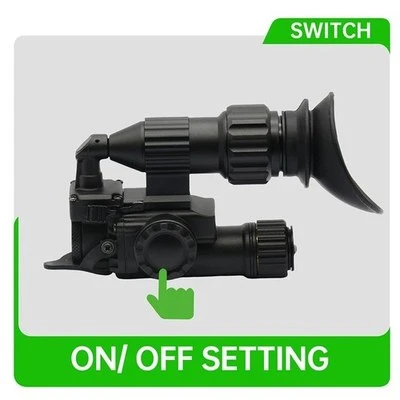
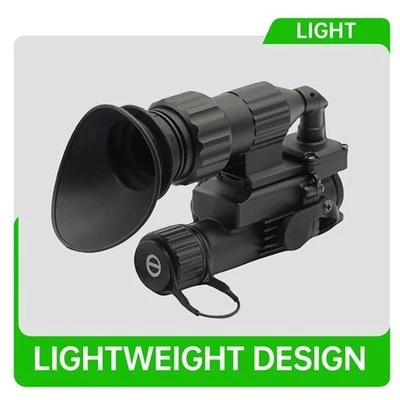
A handheld thermal viewer returned in a box with no record creates two problems. The supplier has to identify the actual sample, then reproduce a symptom described by someone who may no longer have the device. A thermal monocular sample return should include the exact serial or sample ID, authorized return reference, supplied items, observed behavior, approved packing method and relevant evidence for the service team.
Detyl's compact thermal monocular listing is a starting point for identifying a civilian handheld observation sample. Confirm the exact supplied configuration and its operating and return instructions with Detyl. If the sample was provided for a temporary demonstration, review the loan or sample agreement as well as the return instructions. The commercial expectation may differ from a warranty assessment.
Link the actual device, observations, accessories and shipment.
Detyl compact thermal monocular · Detyl thermal monocular range
Build a short timeline before packing
Record the sample identifier and supplied configuration from authorized documents or labels. State when the issue was observed, what the staff member was doing and what happened next. Describe the screen or ordinary behavior in observable terms. If the behavior depended on a particular setting or approved accessory, identify it. Avoid presenting a suspected internal cause as fact.
Identify whether the result appeared once, intermittently or in an approved repeat. A review at a civilian observation venue might use an ordinary fixed reference and the documented viewing setup. Keep the sample, setting and environment readable in the report. Do not try unfamiliar service or repair steps to obtain a clearer result.
When the sample is simply coming back after a normal evaluation, retain the observed condition and the reason for return. The receiving inspection should still be able to tell what accessories were sent. If paperwork includes personal identities or photos of visitors, remove details irrelevant to the service review under the organization's data rules.
Request the correct return scope
| Item | Put on the record | Check before dispatch |
|---|---|---|
| Identification | Exact model, sample or serial and case reference | Documentation matches the device |
| Condition | Observable behavior, approved settings and timing | Evidence can be read without unnecessary personal data |
| Accessories | Actual supplied and returning pieces | Included items and approved omissions are recorded |
| Transport | Supplier instructions and authorized shipping arrangements | Appropriate packing and routing are confirmed |
| Receipt | Dispatch tracking and supplier acknowledgement | Actual scope received can be reconciled |
Ask the supplier which items should travel with the unit. A case, charger, approved battery accessory and documentation may have different importance to the review. Verify the actual arrangement in the supplier's instructions. Obtain applicable carrier guidance and authorized handling for any battery or device that requires it. Do not infer transport requirements from another sample or shipping lane.
If a piece is missing, describe the actual return rather than copying the original box list. For an illustrative case, a demonstration unit and pouch are scheduled for return while an accessory is retained pending the supplier's advice. Document both the approval and whereabouts. When the evaluation closes, the owner can confirm the disposition of each item without reopening the original sample delivery.
Keep the sender and receiver looking at the same evidence
Take permitted photographs of the actual unit and relevant packaging condition. Preserve the source of any display image or log. If a photo shows an unrelated person or record, limit what is supplied to the necessary evidence. Use a shared case reference so the supplier can match the information to the shipment.
Write the intended next action for each unusual observation. One may require a supplier review, another may already have an accepted explanation. A changed sample condition should be visible. If a protective item was transferred to storage or packaging was replaced under instruction, preserve the dates and distinguish what happened before return from the condition seen on receipt.
Ask for acknowledgement of the actual unit and included pieces when the supplier receives it. A tracking delivery confirms movement but may not establish contents or condition. Compare the acknowledgement to the case record. If a discrepancy appears, provide the documented packing evidence and follow the agreed process with the responsible parties.
Close the workshop or demonstration record
Tell the internal sample owner where the device went and which person or team will receive the supplier's report. If a replacement is being requested, state what configuration is required and keep its identifier distinct from the returned unit. Retain the original evaluation until the new evidence has been reviewed.
A return after a successful demonstration can provide a useful record for future procurement. Preserve the device configuration and ordinary usage notes that the buyer accepted, alongside any outstanding handling question. Make sure the next evaluator can identify the approved operating instructions. This saves time if another site requests the same sample or needs to distinguish a different option.
At closeout, ask a colleague to read the case from the perspective of a receiving technician. They should know what arrived, what the buyer observed and what outcome was requested. Delete any unrelated information according to policy. Keep the exact sample and accessories listed in the acceptance history so a later order can be compared to the evaluated arrangement.
Make the return case more useful than a fault label
Consider a civilian demonstration sample that shows a normal menu but intermittently returns a blank scene under a recorded viewing condition. The service record can state the displayed menu, the timing of the event, the documented settings and what happened afterward. Avoid concluding from that observation that a particular component failed. Ask Detyl which approved evidence it wants and give the reviewer the actual sequence.
A separate condition record matters when a device is coming back after a loan. Photograph the permitted items that travel, the case condition and any visible exterior observation that needs attention. List what is retained with its authorization and expected next action. The dispatch file should show the sample actually prepared rather than using the catalog list as an inventory. The recipient can then reconcile missing or unexpected pieces on arrival.
Record the circumstances that will matter to the actual transport decision, including the approved battery arrangement, shipment route and responsible parties. The equipment vendor and the authorized logistics team should confirm the applicable handling and shipping scope. Give them the actual facts and approved documentation. Do not treat an earlier shipment under different conditions as the authority for this one.
Agree who needs the returned symptom record and who can use it. A buyer may need to know which sample was accepted, while the service team may need observations from a particular event. Preserve the permitted original evidence, and share only relevant material with the supplier. The receiving case should state the desired outcome, such as condition acknowledgement, technical review or a decision about a replacement.
After delivery, check the acknowledgement against the actual unit and case file. If the supplier asks about an attachment or an accessory, reply with the specific evidence. Keep the disposition open until the responsible owner accepts it. If another unit is evaluated, record its serial and settings separately and identify which issue the follow-up addresses. This prevents a satisfactory observation on a later sample from concealing the original complaint and gives future purchasing a reliable record.
For an internal acceptance exercise, have a colleague read the return record before sealing the shipment. They should be able to identify the actual unit, included items and expected next action. If the buyer expects a replacement decision, be precise about the observed issue and the authorized configuration. Avoid adding a proposed repair that the supplier has not approved. If the return simply completes a loan, state which items were confirmed and which are expected to follow.
Keep packing and service records linked, with only the details relevant to each audience shared through authorized channels. The carrier needs its actual shipment information and the service team needs the case and observed conditions. The approved dispatch file can connect them through a shipment reference. Update it after receiving acknowledgement. When the supplier accepts a repair or replacement request, preserve the exact returned identity and the related response.
The buyer's final record can also note whether the original sample remains useful for scope approval. One successful observation from the same model may support the use case, while a later return raises an unresolved service question. Identify each purpose and follow the agreement for final disposition. Store the appropriate instructions with the supplier case so a second return is easier to prepare.
If the return moves between internal owners before dispatch, save the date and actual custodian on the case. A person who completed the session may know the observed settings, while a warehouse team can verify which pieces are being sent. Preserve the difference and give the vendor one case reference. Confirm that later photos belong to the outgoing shipment, since an earlier image can show a protective item that is no longer included.
Return and service questions
Is the product name enough to return a sample?
Include the exact model and serial or supplier sample identifier where available, along with the accepted case reference.
How should a rare symptom be recorded?
Describe the verified observation, settings, timing and use. State whether it repeated under an approved check.
Should all accessories be returned automatically?
Obtain the supplier's instructions and list what is actually included. Document any approved exclusions or pending pieces.
Can the unit be opened to inspect the issue?
Follow the supplier's authorized service and return process. Preserve the observed condition and share the relevant evidence.
What if the return includes a battery?
Confirm the applicable supplier and carrier requirements for the actual arrangement with the responsible shipping team.
How should the return be closed?
Match the supplier's acknowledgement and review with the actual shipment and case record. Assign any outstanding action or replacement request.
Request the return instructions from Detyl
Send Detyl the exact civilian handheld sample, supplied configuration, observed condition and proposed return contents. Ask for the applicable case reference, approved steps and evidence requirements.