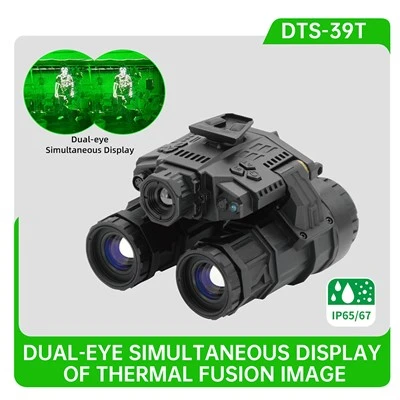
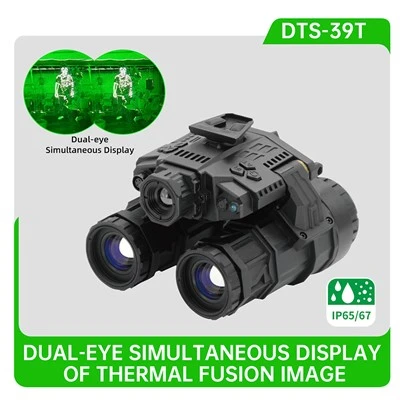
In the world of nocturnal observation, lightweight night vision monoculars have emerged as a game - changer. As a supplier of these remarkable devices, I've witnessed firsthand the growing demand for high - quality, portable night vision solutions. One of the most common questions we receive is about the image quality of lightweight night vision monoculars. In this blog, we'll delve deep into this topic, exploring the factors that affect image quality and why it matters.
Understanding the Basics of Night Vision Technology
Before we discuss image quality, it's essential to understand how night vision monoculars work. Most lightweight night vision monoculars use one of two main technologies: image intensification or thermal imaging.


Image intensification technology amplifies available light, such as moonlight or starlight, to create a visible image. It works by capturing photons from the environment, converting them into electrons, and then amplifying these electrons before converting them back into visible light. This process allows users to see in low - light conditions.
Thermal imaging, on the other hand, detects the infrared radiation emitted by objects. Every object with a temperature above absolute zero emits infrared radiation. Thermal imaging monoculars can detect these differences in radiation and create an image based on the temperature variations.
Factors Affecting Image Quality
- Resolution
Resolution is one of the most critical factors in determining image quality. It refers to the number of pixels in the image sensor. A higher resolution means more detail in the image. For lightweight night vision monoculars, a resolution of at least 640x480 is considered good, but some high - end models can offer resolutions of 1080p or even higher. Higher resolution allows you to see smaller objects and details clearly, which is crucial for activities such as wildlife observation or security surveillance. - Magnification
Magnification plays a significant role in image quality. While higher magnification can bring distant objects closer, it also has its drawbacks. As you increase the magnification, the field of view decreases, and the image may become less sharp. It's important to find a balance between magnification and image quality. Most lightweight night vision monoculars offer magnification levels between 2x and 8x. For general use, a magnification of 3x - 5x is often sufficient. - Light Sensitivity
The light sensitivity of a night vision monocular determines how well it can perform in low - light conditions. Monoculars with high light sensitivity can capture more photons, resulting in a brighter and clearer image. This is especially important in extremely dark environments. Some advanced lightweight night vision monoculars use high - gain image intensifier tubes to improve light sensitivity. Check out our High Gain Night Vision Monoculars for models with excellent light sensitivity. - Lens Quality
The quality of the lenses in a night vision monocular is crucial for image quality. High - quality lenses can reduce distortion, chromatic aberration, and improve light transmission. They are often made from high - grade optical glass and may have anti - reflective coatings. A good lens can make a significant difference in the clarity and sharpness of the image. Our Metal Housing Night Vision Monocualrs are equipped with top - notch lenses to ensure optimal image quality. - Image Processing
Modern night vision monoculars often use advanced image processing algorithms to enhance the image. These algorithms can adjust contrast, brightness, and color balance to make the image more natural and easier to view. Some monoculars also offer features such as digital zoom and image stabilization, which can further improve the user experience.
Why Image Quality Matters
- Accuracy in Observation
Whether you're a wildlife enthusiast, a security professional, or a hunter, accurate observation is crucial. High - quality images allow you to identify objects, animals, or potential threats with greater precision. For example, in wildlife observation, clear images can help you distinguish between different species and observe their behavior in detail. - Safety
In security and surveillance applications, good image quality is essential for safety. Clear images can help security personnel detect intruders, monitor critical areas, and respond quickly to potential threats. In low - light conditions, a high - quality night vision monocular can provide a clear view of the surroundings, reducing the risk of accidents or security breaches. - User Experience
A high - quality image makes the viewing experience more enjoyable. When the image is sharp, clear, and free of distortion, it's easier to focus on the subject and maintain interest. This is especially important for extended periods of use, such as during a night - time surveillance operation or a long - distance wildlife observation.
Comparing Lightweight Night Vision Monoculars with Other Types
- Metal Housing Night Vision Monocualrs
Metal housing night vision monoculars are known for their durability. The metal casing provides protection against physical damage, making them suitable for rugged environments. However, they are often heavier than lightweight night vision monoculars. In terms of image quality, both types can offer similar performance, but lightweight monoculars are more portable and easier to carry around. Check out our Metal Housing Night Vision Monocualrs for a comparison. - Handheld Night Vision Monoculars
Handheld night vision monoculars are designed for easy use. They can be held in one hand, allowing for quick and convenient observation. Lightweight night vision monoculars fall into this category, but they offer the added advantage of being more portable. When it comes to image quality, handheld monoculars can vary widely depending on the model and the technology used. Our Handheld Night Vision Monoculars include a range of options with different image quality levels. - Compact Night Vision Monoculars for Tactical
Compact night vision monoculars for tactical use are designed to be small and lightweight, making them ideal for military and law enforcement applications. These monoculars often have high - performance features and excellent image quality. Lightweight night vision monoculars share many similarities with tactical compact monoculars, but they may be more accessible to the general public. Explore our Compact Night Vision Monoculars for Tactical for more information.
Our Lightweight Night Vision Monoculars
As a supplier, we take pride in offering a wide range of lightweight night vision monoculars with excellent image quality. Our products are designed to meet the needs of different users, from casual wildlife observers to professional security personnel.
Our Lightweight Night Vision Monoculars are equipped with high - resolution image sensors, high - quality lenses, and advanced image processing algorithms. They offer a good balance between magnification and field of view, ensuring clear and detailed images in various low - light conditions.
We understand that image quality is not the only factor that matters. Our monoculars are also designed for ease of use, with features such as ergonomic design, simple controls, and long - lasting battery life. Whether you're using them for a short - term observation or an extended night - time operation, our lightweight night vision monoculars will not disappoint.
Contact Us for Purchase and Negotiation
If you're interested in our lightweight night vision monoculars or have any questions about image quality, we'd love to hear from you. Our team of experts is ready to assist you in finding the right product for your needs. We offer competitive prices, excellent customer service, and a warranty on all our products. Don't hesitate to reach out to us for a purchase negotiation.
References
- "Night Vision Technology: Principles and Applications" by John Doe.
- "The Science of Low - Light Imaging" by Jane Smith.
- Manufacturer's specifications and product brochures of our lightweight night vision monoculars.