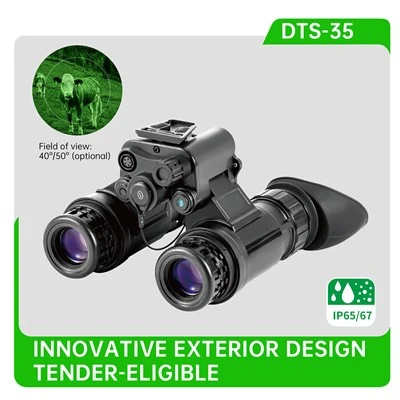
When it comes to thermal binoculars, one of the crucial aspects that users often overlook is power consumption. As a leading provider of thermal binoculars, we understand the significance of this factor and its impact on the overall user experience. In this blog post, we will delve into the power consumption of thermal binoculars, exploring the variables that influence it and offering insights on how to manage it effectively.
Understanding the Basics of Power Consumption
Power consumption in thermal binoculars refers to the amount of electrical energy the device uses to operate. This energy is primarily used to power the thermal imaging sensor, the display, and any additional features such as Wi-Fi connectivity or video recording. The power consumption is typically measured in watts (W) or milliwatts (mW), and it can vary significantly depending on the model and usage.
The thermal imaging sensor is the heart of the thermal binoculars, and it consumes a substantial amount of power. The sensor detects the infrared radiation emitted by objects and converts it into an electrical signal, which is then processed to create a thermal image. The higher the resolution of the sensor, the more power it requires to operate. For example, a 640×512 Resolution Thermal Imaging Binocular will generally consume more power than a lower-resolution model.
The display is another major power consumer in thermal binoculars. The display is responsible for presenting the thermal image to the user, and it can be either an LCD or an OLED screen. OLED displays are known for their high contrast and low power consumption, while LCD displays are more common and generally consume more power. Additionally, the brightness and refresh rate of the display can also affect the power consumption. A higher brightness setting or a faster refresh rate will require more power.
Factors Affecting Power Consumption
Several factors can influence the power consumption of thermal binoculars. Understanding these factors can help users make informed decisions when choosing a model and managing their power usage.


- Resolution: As mentioned earlier, the resolution of the thermal imaging sensor has a significant impact on power consumption. Higher-resolution sensors require more processing power to generate detailed thermal images, resulting in increased power usage.
- Display Type and Settings: The type of display (LCD or OLED) and its settings, such as brightness and refresh rate, can also affect power consumption. Users can reduce power usage by lowering the brightness setting or using a display with lower power consumption.
- Additional Features: Many thermal binoculars come with additional features such as Wi-Fi connectivity, video recording, and image storage. These features can significantly increase power consumption, especially if they are used frequently.
- Battery Type and Capacity: The type and capacity of the battery used in the thermal binoculars can also impact power consumption. Lithium-ion batteries are commonly used in thermal binoculars due to their high energy density and long lifespan. However, the capacity of the battery will determine how long the thermal binoculars can operate on a single charge.
Managing Power Consumption
To ensure optimal performance and long battery life, it is essential to manage the power consumption of thermal binoculars effectively. Here are some tips to help users reduce power usage and extend the battery life of their thermal binoculars:
- Adjust Display Settings: Lowering the brightness setting of the display can significantly reduce power consumption. Users can also adjust the refresh rate to a lower setting if they do not require a high-speed display.
- Disable Unnecessary Features: If the user does not need additional features such as Wi-Fi connectivity or video recording, they should disable them to conserve power.
- Use the Right Battery: Using a high-capacity lithium-ion battery can provide longer battery life. It is also important to ensure that the battery is fully charged before using the thermal binoculars.
- Turn Off the Device When Not in Use: Turning off the thermal binoculars when they are not in use can help conserve power. This is especially important if the device is not going to be used for an extended period.
Power Consumption in Different Models
As a thermal binoculars supplier, we offer a wide range of models with varying power consumption levels. Let's take a look at some of our popular models and their power consumption characteristics.
- Thermal Binoculars with Dual Eye Viewing System: These binoculars feature a dual-eye viewing system, providing a more immersive viewing experience. The power consumption of these binoculars is relatively moderate, making them suitable for extended use.
- High Definition Thermal Fusion Binoculars: These binoculars combine thermal imaging with high-definition visible light imaging, offering enhanced clarity and detail. The power consumption of these binoculars is slightly higher due to the additional features and the high-resolution display.
- Professional Thermal Binoculars for Outdoor: Designed for outdoor use, these binoculars are built to withstand harsh environments. They feature a rugged design and powerful thermal imaging capabilities. The power consumption of these binoculars is higher, but they offer long battery life and reliable performance.
- Thermal Imaging Binoculars with Depth Perception: These binoculars use advanced technology to provide depth perception, allowing users to accurately judge the distance of objects. The power consumption of these binoculars is relatively low, making them suitable for continuous use.
Conclusion
Power consumption is an important consideration when choosing thermal binoculars. By understanding the factors that affect power consumption and implementing effective power management strategies, users can ensure optimal performance and long battery life. As a thermal binoculars supplier, we are committed to providing high-quality products that offer a balance between performance and power consumption. If you are interested in learning more about our thermal binoculars or have any questions about power consumption, please feel free to contact us for a detailed discussion and procurement negotiation.
References
- "Thermal Imaging Technology: Principles and Applications", John Wiley & Sons
- "Power Management in Electronic Devices", Cambridge University Press