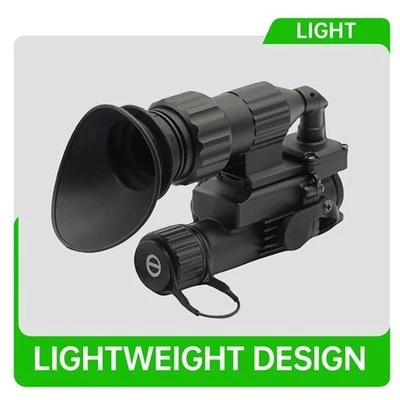
A damp evening can change the scene faster than it changes the equipment. The visitor at a nature center may be looking across open grass one minute and at rain-darkened vegetation the next. A thermal monocular damp weather evaluation should capture the scene, viewing conditions and device settings at the moment of each observation. The result you want is a fair comparison of what a visitor could distinguish under the agreed conditions.
Use Detyl's compact thermal monocular product listing to identify the sample under review, and confirm the exact handheld configuration supplied. Thermal background contrast can change with wet ground, shelter, cloud cover and the time since rain. FLIR notes that rain and fog can reduce contrast and that the effect depends on conditions. Electronics handling is a separate question. Follow the vendor's operating instructions for exposure and use the unit from an appropriate sheltered position if the sample's environmental limits are unclear.
Keep the viewing position, device settings and changing weather in the same observation log.

Detyl compact thermal monocular listing · Detyl observation product range
Give the observation a fixed point of reference
Set up the trial at a safe, permitted viewing location such as a visitor-center demonstration area. Choose a stationary reference with a known location and visible shape. A permitted nonliving reference under staff control is easier to repeat than wildlife moving through a scene. Write down the viewing position, ordinary landmarks and sequence of observations. Establish what the reviewers actually need to see, such as identifying the shape of an upright reference against nearby vegetation, before turning on the device.
Keep normal visitor viewing arrangements in mind. A trial conducted from a covered porch should name any screens, windows or other intervening surfaces. If a window interferes with the intended thermal view, choose an open, protected position with the appropriate approval. Reviewers should not be asked to reproduce a position to which regular visitors would not have access.
Place the dry and damp comparisons at the same station where practical. If a staff member has to shift to a different shelter after rainfall, note the change in angle and background. The record then shows whether a difference in appearance might be linked to the changed scene.
Record the setting when the picture is made
An entry for "rainy" leaves too much for the next reviewer to infer. Identify whether rain is falling, water is visible on vegetation, fog obscures landmarks or the scene is simply wet after earlier rain. Record temperature and relative humidity when the team has reliable readings, and write where those readings came from. Local conditions at the viewing location can differ from an airport reading or a phone forecast.
Record device settings separately. Note the sample ID, display palette, magnification setting and any adjustment made after an initial observation. A photo or screen capture may be helpful if the equipment supports it. Preserve the reviewer note too, especially when a displayed image fails to communicate what the reviewer saw in the eyepiece or at the viewer.
Use plain descriptions tied to the agreed observation. "The vertical shape separated from the background but its edges were hard to follow" gives the demonstrations team more to work with than "worked well." Ask reviewers to write the observation before discussing it with each other, particularly when a sample is under consideration for purchase.
Use a simple rating field for each agreed scene detail. For example, reviewers can mark whether the outline was continuously visible, intermittently visible or unclear. Ask for a few words about when its appearance changed. If humidity readings and observation notes differ in timing, show both times. An observation initially marked unclear can be worth revisiting from the same safe station when the weather shifts. Save the first result in the thermal monocular trial record and label the later result as an additional review. In a training handout, show one complete log entry so new staff know how to record an ambiguous view.
Write the trial log in pairs
| Log entry | Conditions to retain | What the paired entry helps answer |
|---|---|---|
| Earlier reference observation | Same landmark, expected outline, sample identity and selected settings | Establishes what was actually distinguishable before the damp trial |
| Damp observation | Surface wetness, rain or fog, viewing position and time | Shows the change the reviewer observed without losing the scene context |
| Settings change | The adjustment, reason and corresponding observation | Distinguishes a settings comparison from a weather comparison |
| Equipment interruption | Message or symptom, time, handling and state on return | Lets staff separate a usability issue from poor scene contrast |
| Review decision | What was clear, uncertain or outside the agreed trial | Gives the next shift a repeatable comparison and a follow-up list |
For example, a small visitor center might use a nonliving standing reference seen against shrubs. In the first observation the reviewer notes an uninterrupted outline. Later the shape is still distinguishable but its lower edge blends into nearby surfaces. The image shows a change in this specific scene with these settings and viewing conditions. Save the pair and check how the facilities team would explain that difference to visitors. Avoid converting two observations into a general numerical claim about range or humidity.
When conditions change midway through a review, keep the sequence visible instead of averaging the results. A third entry after a shower can be more useful than rewriting the first two labels. Preserve uncertain outcomes and record which scene variable a follow-up session should keep constant.
Transfer the result to the demonstration team
A sample acceptance decision may need several readers. Procurement needs the model and supplied items. Staff need a brief procedure to run the demonstration. Technical reviewers need the conditions, settings and comparable notes. Package the station sketch and sample identifier with the final log so the next reviewer knows what to repeat if the delivered units differ.
Separate usability observations from scope decisions. If a viewer finds one palette easier to explain, capture the setting and the scene. If a weather event prevents the trial from continuing under the operating instructions, record that outcome and reschedule the observation. Neither statement changes the environmental rating for the delivered configuration. Confirm any relevant rating or exposure limit through the supplier before relying on it.
At the end, copy only the approved visitor-facing claims. A description tied to the agreed scenario and purpose can be demonstrated again. An unrestricted promise based on one damp evening will be much harder for staff to stand behind.
Plan the visit so an absent observation is reported honestly. A morning may meet the weather description but still be too unsettled for the demonstration venue or outside its permission to operate. Record the canceled slot and the reason instead of borrowing data from a differently prepared sample. If a reviewer arrives after rain stops, the useful question is whether the surface remained wet at the observation time. The scheduling note and the condition entry serve different purposes.
For equipment comparing several observation presets, record the default chosen for general visitor use as well as any special preset. Staff should be able to reproduce the demonstration without turning the event into a search through menus. Ask the second reviewer to follow the draft instructions independently and note any ambiguous names. If the two reports disagree, check each recorded setting and make another observation rather than combining dissimilar notes.
In rooms where people share one device, document the handover too. Record whether the unit came back from another viewer in the expected state and how the team restored the demonstration configuration. Use ordinary station management and the applicable instructions for handling the sample. A clear observation note separates a different menu state from a real environmental change. That can be especially helpful when an otherwise successful session is interrupted by a change in staff.
Damp-weather viewing questions
Is a humidity reading enough to define the trial?
Record it if available, along with wet surfaces, active precipitation or fog, observation time and the viewing location. Two sessions can share a reported humidity and still have visibly different backgrounds. Actual local notes help explain the difference.
Can we compare two settings during the same damp session?
Yes. Save the settings and the order used, and make both observations while the scene is reasonably stable. If rain or fog changes between the two, note that change next to the settings so the comparison remains interpretable.
What if the only observation station is indoors?
Document the actual viewing path and any glazing or screen. If that installation cannot support the intended demonstration, agree on a safe alternative at the venue. Compare like arrangements whenever a before-and-after result is required.
Should we use wildlife as the acceptance reference?
A stationary, permitted nonliving reference is easier for several reviewers to observe under matched conditions. Keep incidental wildlife observations separate and follow the venue's rules. Do not use a changing animal position as the only basis for a purchasing decision.
Does a screen capture replace the field note?
The capture helps when linked to a sample, scene and setting. Keep the observer's note for context and for details that the capture may not convey. Match filenames to the observational log so the review does not depend on memory.
Can one damp-weather trial establish the device's exposure rating?
Use the exact configuration's manufacturer documentation for environmental conditions and limitations. A viewing trial records how the equipment and scene appeared in that session. If its handling limits are not clear, ask the supplier before planning additional exposure.
Plan a civilian viewing demonstration
Send Detyl the intended handheld use, sample configuration, observation venue, expected exposure and the kind of scene details visitors should distinguish. Ask for the applicable operating limits and the supplied documentation for the sample.