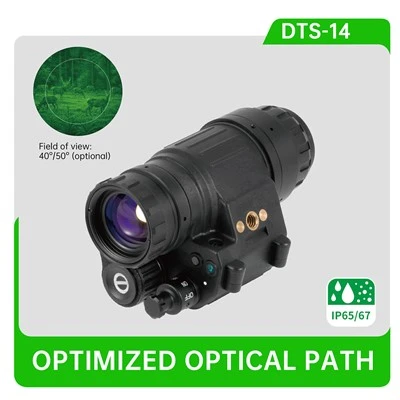
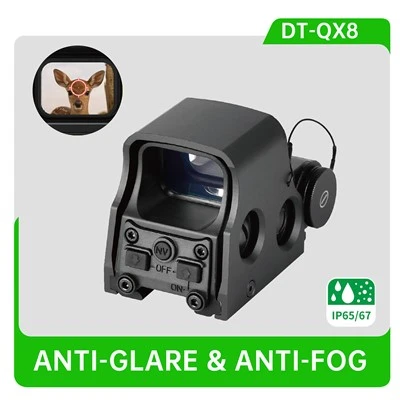
Using helmet-mounted night vision monoculars in a desert environment can be a game-changer for various activities, whether it's military operations, wildlife observation, or search and rescue missions. As a supplier of Helmet Mounted Night Vision Monoculars, I've got a lot of insights to share about how to make the most of these gadgets in the sandy expanse.
Pre - Departure Preparations
Before you head out to the desert, you need to make sure your night vision monocular is in top - notch condition. First off, check the batteries. The desert can be a harsh place, and extreme temperatures can affect battery life. I recommend using high - quality, long - lasting batteries. It's also a good idea to carry spare batteries in a sealed, dry container.
Inspect the monocular for any signs of damage. Even a small crack in the lens can significantly degrade the image quality. And since the desert has a lot of dust, make sure the housing is sealed properly. Our Metal Housing Night Vision Monocualrs are great for the desert because they're durable and can keep out dust.
Adjust the focus and diopter settings to suit your vision. You don't want to be fumbling with these adjustments in the dark in the middle of the desert. Fit the helmet mount correctly so that the monocular is stable and won't shift around while you're moving.
Understanding the Desert Environment
The desert has its own unique set of challenges for night vision use. For starters, the sand is very reflective. In moonlight or when using infrared illumination, the sand can create a lot of glare, which can be really blinding. You'll need to adjust the gain settings on your monocular to deal with this. Our High Gain Night Vision Monoculars give you the flexibility to combat this glare.


There are also temperature variations. Nights in the desert can be surprisingly cold, especially after the scorching daytime heat. These temperature changes can cause the lenses to fog up. To prevent this, you can use anti - fogging solutions or keep the monocular in a warm place until you're ready to use it.
The desert is home to various wildlife, and some of them are nocturnal. You might spot snakes, foxes, or other desert critters. The night vision monocular can help you observe them without disturbing them, but be aware of any potentially dangerous animals.
During Operation
When you're out in the desert at night, mounting the monocular on your helmet allows you to have hands - free operation. This is crucial if you're carrying a weapon, a map, or other equipment. But be careful not to move your head too abruptly, as it can disorient you quickly in the dark.
Make use of the different viewing modes available on the monocular. Most models have a wide - angle and a narrow - angle mode. The wide - angle mode is great for getting an overall view of the area, like spotting landmarks or potential hazards over a large area. The narrow - angle mode, on the other hand, is useful for detailed observation, like identifying a specific animal or a small object in the distance.
If you're in a group, coordinate with your team members. Make sure everyone is using their night vision monoculars effectively. You can share information about what you're seeing, like the location of water sources or potential threats. This way, you can cover more ground and stay safe.
When using the monocular, try not to stare at bright light sources directly. This can damage the image intensifier tube. If you come across a bright light, like a campfire or a vehicle's headlights, look away or cover the monocular with the lens cap.
Maintenance and Storage
After your desert adventure, it's important to clean and maintain your helmet - mounted night vision monocular. First, remove any dust or sand from the exterior using a soft, dry brush. Be gentle around the lens. You can use a lens cleaning solution and a microfiber cloth to clean the lens.
Store the monocular in a cool, dry place. Avoid leaving it in a hot car or in a humid environment. If you're not going to use it for a long time, remove the batteries to prevent corrosion.
Choosing the Right Night Vision Monocular for the Desert
There are different types of night vision monoculars available, and choosing the right one for the desert is crucial. Our Compact Night Vision Monoculars for Tactical are a great choice because they're lightweight and easy to carry around in the desert. They're also rugged enough to withstand the harsh conditions.
If you need to use the monocular handheld at times, our Handheld Night Vision Monoculars are a good option. They offer the flexibility of being used both on the helmet and in your hand.
Conclusion
Using helmet - mounted night vision monoculars in a desert environment can open up a whole new world at night. With the right preparations, understanding of the environment, and proper use and maintenance, you can get the most out of these amazing devices.
If you're interested in purchasing high - quality night vision monoculars for your desert adventures or other needs, feel free to reach out to discuss your requirements. We're here to help you choose the best product for your specific situation.
References
- Night Vision Technology Handbook, various authors.
- Desert Survival Guide, published by a leading outdoor survival institute.