Hey there! As a supplier of thermal imaging products, I've been getting a lot of questions lately about whether thermal imaging can be used in historical building inspections. Well, let me tell you, it's a topic that's really close to my heart, and I'm excited to share my insights with you.
First off, let's talk about what thermal imaging is. In simple terms, thermal imaging is a technology that allows us to see the heat patterns emitted by objects. Every object gives off some amount of infrared radiation, which is invisible to the human eye. Thermal imaging cameras can detect this radiation and convert it into a visible image, where different colors represent different temperatures.


So, how can this technology be useful in historical building inspections? Well, historical buildings are often made of materials that have been around for a long time, and they can develop a variety of issues over the years. These issues might not always be visible to the naked eye, but they can cause significant damage if left untreated.
One of the main advantages of thermal imaging in historical building inspections is its ability to detect hidden problems. For example, it can help identify areas of water leakage. Water can seep into the walls, floors, or roofs of a historical building, causing damage to the structure and promoting the growth of mold and mildew. By using a thermal imaging camera, we can detect the temperature differences caused by the presence of water, even if it's hidden behind layers of paint or plaster.
Another area where thermal imaging shines is in detecting insulation problems. Historical buildings were often built without the same insulation standards as modern buildings, and over time, the insulation can degrade or become damaged. Poor insulation can lead to energy loss, which not only increases heating and cooling costs but can also cause damage to the building's interior. Thermal imaging can show us where the insulation is lacking, allowing us to make targeted repairs.
Thermal imaging can also be used to detect structural issues in historical buildings. For example, it can help identify areas of stress or damage in the walls, columns, or beams. By detecting these issues early, we can take steps to prevent further damage and ensure the long-term stability of the building.
Now, let's talk about some of the thermal imaging products that we offer as a supplier. We have a wide range of products that can be used in historical building inspections. For starters, we have Thermal Goggles for Security Operations. These goggles are not only great for security applications but can also be used in close-range inspections of historical buildings. They provide a clear view of the thermal patterns in the immediate area, allowing you to quickly identify any potential issues.
Our Thermal Imaging Binoculars with Depth Perception are another excellent option. These binoculars offer a more detailed view of a larger area, making them ideal for inspecting the exterior of a historical building. With their depth perception feature, you can get a better sense of the three-dimensional structure of the building and identify any hidden problems.
If you're looking for something more portable, our Multi-functional Portable Thermal Imaging Binoculars are a great choice. These binoculars are lightweight and easy to carry around, allowing you to conduct inspections on the go. They also come with a variety of features, such as zoom and image capture, which can be very useful during an inspection.
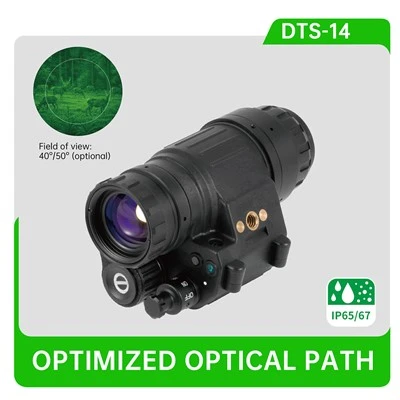
For those who already have night vision devices, our Thermal Clip On For Night Vision Devices is a great addition. This clip-on device can be easily attached to your existing night vision device, allowing you to add thermal imaging capabilities without having to buy a whole new system.
Finally, our 640×512 Resolution Thermal Imaging Binocular offers high-resolution imaging, providing you with a clear and detailed view of the thermal patterns. This can be especially useful when inspecting small or intricate areas of a historical building.
Of course, like any technology, thermal imaging has its limitations. It can only detect surface temperatures, so it might not be able to identify problems that are deep within the structure of the building. Additionally, factors such as weather conditions and the presence of reflective surfaces can affect the accuracy of the thermal images. However, when used in conjunction with other inspection methods, thermal imaging can be a valuable tool in historical building inspections.
In conclusion, thermal imaging can definitely be used in historical building inspections. It offers a non-invasive way to detect hidden problems, allowing us to make informed decisions about the repair and maintenance of these precious structures. As a supplier of thermal imaging products, we're committed to providing high-quality equipment that can help you with your inspection needs.
If you're interested in learning more about our thermal imaging products or how they can be used in historical building inspections, I'd love to hear from you. Whether you're a professional inspector, a historical preservationist, or just someone who's passionate about protecting our cultural heritage, we can work together to find the right solution for you.
References:
- "Thermal Imaging in Building Inspection: A Review", Journal of Building Physics
- "Applications of Thermal Imaging in Historical Building Conservation", International Journal of Heritage Conservation