Civilian wildlife observation
A useful thermal monocular wildlife demo answers a question the next operator can actually repeat. Can two volunteers recognize the same warm reference near a woodland opening from the same marked point, record the applicable image settings, and explain where vegetation prevented a fair comparison? Pick a route with safe access in daylight, and use fixed landmarks or permitted reference objects when wildlife is absent. A demonstration should never depend on an animal appearing on schedule.
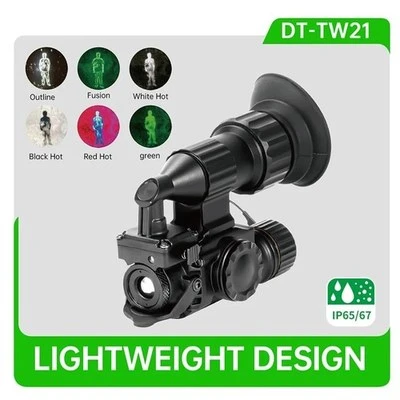
Detyl lists the DT-TW21 with a 384 × 288 detector, several image modes and adjustable display brightness. The device has multiple physical configurations, so record that the demonstration uses the handheld setup. The detector specification identifies the sample on the loan sheet. Practical visibility varies with background, weather, line of sight, initial brightness and the observer. A useful retailer evaluation records those variables beside the observation rather than converting one favorable viewing result into a claimed range.

View the related product or series · Compare the second product or supplier reference
Establish the route in daylight
Select three safe observation stops: an open reference, a partly screened edge and a return point where both operators can easily find the original view. Walking access should be agreed with the site owner. Keep the route away from sensitive nesting or resting areas. Mark a stable landmark at each station so the observer can point the instrument without approaching wildlife or changing the site. Avoid routes that depend on moving through difficult terrain in the dark.
Sketch the stops on a simple map. Record facing direction, approximate distance to the reference, a usable standing area and where an observer can wait out of the path. Note terrain that changes apparent alignment, including a bend, bank or low wall. A sample purchaser should be able to reconstruct the same position and see the intended landmarks even if the original guide is absent.
Write separate success criteria for the reference exercise and any spontaneous wildlife encounter. A reference exercise can measure repeatability of settings and task completion. A wildlife note can describe what the observer saw at the time. Never make an encounter the acceptance criterion for the equipment. If animals are present and observers can remain at the approved spot without disturbance, record the sighting separately and avoid extending the demonstration simply to collect more material.
Set one baseline before switching palettes
At the first station, identify the individual sample and insert an approved power source according to the user instructions. Record mode, brightness and the baseline image palette. Agree how the operators will reset the settings between passes. If adjustments are made to suit an observer, record their names or role, settings and reason. Fatigue or eyesight differences can influence comfort, so keep device observations separate from the person using it.
Look at the agreed reference in one palette first. Give each person time to find it, write down which edge or background feature helped, and indicate whether it was visible before an adjustment. Then try a second palette without changing location. Brightness preference matters, but a brighter display does not change the temperature contrast of the scene. Compare what the two observers can consistently distinguish, then discuss any change in clarity or comfort.
Consider the order in which each person sees the controls. Someone who watched an experienced guide find a reference may benefit from being told where it is. If the intention is to compare usability for a new observer, have the next person follow a documented introduction and let them find the reference independently before reviewing the first result. Record practice versus first-run results separately so the buyer can tell whether the sample was intuitive or simply well explained.
| Station | Evidence to record | Reason to repeat |
|---|---|---|
| Open reference | Time, mode, brightness and landmark alignment | Operator cannot reconstruct the baseline settings |
| Screened edge | Background, foliage, movement and visible reference | Wind or observer position changes the line of sight |
| Return point | Time since last visit and reacquisition notes | Observation began from a different reference |
| End of session | Weather change, device state and sample identification | Circumstances make scores across sessions incomparable |
For the observation log, make one column for route and landmark checks and another for any sighting. A thermal monocular wildlife demo benefits from that split because a repeat session may encounter no animals while still reproducing the useful equipment checks. A dealer who reports an interrupted route should give the reason, the last usable station and whether the second observer followed the same instructions.
Let a second observer test the record
Give the second observer the station sketch and a copy of the agreed instructions. Keep the device warm-up or startup conditions consistent where practical and use the same native view. Ask them to record the first useful view, any setting adjustment and anything that could not be located. A missing observation matters. It can reveal that the route instructions were unclear, background contrast changed or the original observer had information the second observer did not have.
Write the clock time and general weather condition at every station. If a cloud bank moves, wind shifts screens of vegetation or the ground has cooled since the earlier pass, record it alongside the evidence. Keep a separate note for interrupted demonstrations. A foggy return visit can provide useful user feedback, but the team should describe it as a different condition. A side-by-side comparison needs both devices to view the same reference from the same location on the same visit.
When a reference is visible on one pass and missing on the next, return to the physical station before deciding that the sample changed. Check that the same approach was followed, optics are unobstructed and the display settings match the log. Photograph the normal visible landmark from the agreed position if appropriate. A scene photograph provides context for the report; it should not be confused with the original thermal image a device displays.
Turn observations into a dealer loan program
A small retailer or field guide can schedule one controlled demonstration and a second follow-up visit. Keep the route diagram, unit serial and report with the loan agreement, and mark what can be compared if a replacement sample is sent. Agree which observations support one customer use and which only demonstrate a control or display preference. A report drawn from one short outing is useful for a purchasing discussion but cannot define performance across habitats.
Put practical notes into a handout for customers. For example, explain how to prepare a handheld sample, which controls affect the view, and why they may need to compare an open clearing with a screened edge. Describe what can be reviewed at a scheduled demonstration and what remains dependent on conditions. Where an official specification is used, tie it to the correct sample and mode. If the customer asks about using the instrument in a different configuration, ask the supplier for the corresponding documentation before changing the guide.
An illustrative evaluation uses three marked stops and two operators, giving six baseline station records. If a vegetation obstruction makes one visit unusable, report five usable observations and one excluded visit with the reason. Record any repeat separately. The count describes completeness of the demonstration; it does not represent a success rate for detecting wildlife. That distinction is useful in a commercial report because the sample's operation can be assessed without overpromising what a customer will see outdoors.
A retailer preparing several samples should also write a return checklist. Inspect the approved accessories, check that loan notes identify the serial number on the actual instrument, and mark any settings or configuration changes separately. A good handover lets the next guide repeat the baseline without inheriting an unfamiliar display setting. Send the equipment condition and the route recommendations to different sections of the report so a problem with a supplied accessory does not obscure the field observations.
If the route includes a station where another group may be present, have the guide agree a simple pause rule beforehand. A blocked public viewpoint should be marked as an interrupted observation instead of quietly substituted with a new position. That helps separate equipment usability from site access and keeps the second visit traceable to the original route.
Questions from wildlife educators and dealers
Is a warm reference a substitute for wildlife?
It supports a repeatable check of controls, alignment and general visibility under a documented setup. Live observations have additional variables. Keep those observations separate and do not infer wildlife detection distance from a reference exercise.
Can the same route be used in daylight and after dark?
A route can be surveyed in daylight, but the viewing conditions can change. Record time, weather, background and whether claimed comparisons were made on the same visit. Follow the site owner's access arrangements.
What if a retailer cannot arrange a woodland demo?
Use a permitted outdoor site with comparable aspects such as open ground and partial vegetation. Explain which elements represent the proposed application, and leave route-specific wildlife notes to a later field visit.
Should two operators use the same brightness?
Begin with one recorded setting to make the evidence comparable. Then allow any comfort adjustments and note them. Keep the baseline result distinct from an operator's preferred final configuration.
What if there is no reliable distance measurement?
Mark the observer and landmark locations and label the distance as approximate or unknown. The exercise can still compare ease of finding a familiar reference. Avoid turning an estimate into a quantitative product claim.
Which product details help Detyl recommend a demonstration sample?
Provide the intended handheld observation use, lighting and access conditions, preferred controls and whether the device will be shared. Ask for the exact sample configuration, official documentation and appropriate loan or purchase options.
Ask about a handheld observation sample
Send Detyl the intended civilian observation use, route notes and the records your program needs to collect. Request the matching sample and operating reference before scheduling the demonstration.