If you’ve ever shopped for holographic sights, you’ve likely found yourself asking a surprisingly practical question: what is the weight of a typical holographic sight? As a supplier of high-performance holographic optics for firearms, I get this question all the time—and for good reason. Weight might seem like a minor detail, but for shooters, hunters, or anyone relying on a sight for critical use, it can make a huge difference in balance, handling, and overall performance. Let’s break down the science, the industry standards, and what matters most when you’re picking a sight that’s right for you.
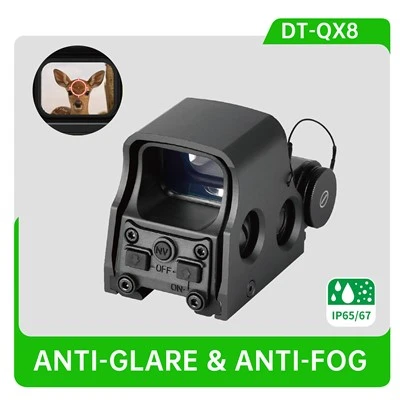
First, it’s important to clarify what we mean by a “typical holographic sight.” Unlike red dot sights, which use a simple reflected LED dot, holographic sights project a diffraction-based reimage, creating a parallax-free, large field of view that many shooters prefer for fast, accurate target acquisition. But not all holographic sights are created equal—their weight varies based on design, intended use, and the features built in. Let’s start with the baseline: most standard holographic sights designed for rifles, handguns, or tactical use fall in a range of 6 to 12 ounces (170 to 340 grams). But to understand why, we need to look at the components that add up to that weight, and how different models adjust for different needs.
The core of any holographic sight is the holographic projection system. This includes a glass holographic grating, a laser diode, and the internal circuitry that powers and calibrates the reticle. These parts are housed in a rugged aluminum or polymer casing, which is non-negotiable for durability in harsh environments—rain, recoil, or rough handling can’t be allowed to throw off the sight’s zero. Aluminum is the most common material here because it’s strong, lightweight, and corrosion-resistant, making it ideal for tactical and hunting use. The weight of the casing alone is about 3 to 5 ounces, but when you add in the laser, battery, and mounting hardware, that range starts to make sense. For example, a compact holographic sight for a handgun will be on the lighter end of that spectrum, while a full-size model for a rifle or precision use will tip closer to the higher end.
Let’s dive into specific product types, because context matters when talking about weight. If you’re looking for a sight for your rifle, our Holographic Weapon Sight is a great example of a standard tactical model. This sight is designed to handle high recoil, offer a 50-meter parallax-free field of view, and include multiple reticle settings for different lighting conditions. Its weight comes in at 9.2 ounces (261 grams)—balanced to keep your rifle’s balance point where you want it, without adding unnecessary bulk. For handguns, on the other hand, weight is even more critical because you’re holding the sight in one hand, not mounting it to a longer platform. Our Red Dot Handgun Reflex Sight (wait, why is it called that? Because it combines holographic projection with a compact, reflex-style design that fits on most handgun slides) weighs just 5.8 ounces (164 grams). That’s light enough to not throw off your handgun’s handling, even during rapid fire, while still delivering the accuracy and fast target acquisition that holographic sights are known for.
But weight isn’t just about being light—there’s a balance between weight and durability, features, and performance. For example, our Advanced Combat Optical Fusion Gunsight is a more advanced model that combines holographic optics with magnification, so it’s designed for longer-range tactical use. It weighs 11.5 ounces (326 grams), which is a bit heavier than the standard holographic weapon sight, but that extra weight comes from the additional lens elements, magnification system, and rugged construction needed to maintain zero at extended ranges. For hunters or tactical teams engaging targets at 200+ meters, that small amount of extra weight is worth it for the ability to make precise shots without re-zeroing under recoil.
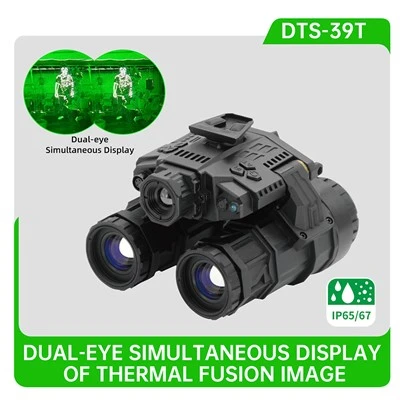
Another factor that affects weight is auxiliary features. Many shooters today want sights that work in all conditions, so night vision compatibility is a common add-on. Our Three Optical Channels Night Vision Sight is built with three separate optical paths—one for daylight, one for night vision, and one for thermal imaging—and that adds some weight, coming in at 10.8 ounces (306 grams). That’s still within the upper end of our typical holographic sight range, but it’s a trade-off for the versatility of being able to switch between different shooting environments without changing optics.
You might be wondering: why does weight matter so much? Let’s talk about real-world use. For a competitive shooter, extra weight on a rifle can lead to fatigue during long stages, slowing down movement and accuracy. For a soldier in tactical situations, a sight that’s too heavy can throw off a rifle’s balance during close-quarters battle, making it harder to maneuver. For hunters, a heavy sight on a bolt-action rifle can lead to arm fatigue during a full day of stalking game. On the flip side, a sight that’s too light might feel flimsy, or use cheaper materials that don’t hold up to recoil. That’s why our designs strike that balance: we use high-grade aluminum for strength, optimize the internal components to reduce bulk, and test every sight to ensure it’s durable without being unnecessarily heavy.


It’s also worth noting that weight is often compared to red dot sights, which are generally lighter—most compact red dots are under 3 ounces. But don’t let that fool you: holographic sights offer unique benefits that make the slightly higher weight worth it for many users. The parallax-free design means your reticle stays on target no matter where your eye is relative to the sight, which is a big advantage for fast target acquisition in dynamic situations. The larger field of view also makes it easier to track moving targets, whether you’re shooting at a running deer or engaging multiple targets in a tactical scenario.
When choosing a holographic sight, weight is just one piece of the puzzle, but it’s an important one to consider based on how you’ll use the sight. If you’re mounting it on a competition AR-15, a lighter 7-ounce model might be perfect. If you’re putting it on a precision rifle for long-range shooting, a slightly heavier 11-ounce model with magnification makes sense. For handguns, the compact 5.8-ounce handgun reflex sight is ideal for concealed carry or competitive pistol shooting.
At the end of the day, the “typical” weight of a holographic sight is around 8 to 10 ounces, but that range shifts based on the sight’s intended use, features, and construction. As a supplier, we design every sight with the shooter’s needs in mind—whether that’s a compact handgun model, a full-size rifle sight, or an advanced model with night vision compatibility. If you’re not sure which holographic sight is right for you, and you want to learn more about how weight, features, and performance work together, we’re here to help. For bulk orders, custom configurations, or any questions about our product line, reach out to our team to discuss your specific needs. We’re committed to providing high-quality holographic optics that balance durability, accuracy, and practical weight for every shooter.
References
- Haugh, L. (2021). “Ballistic Optics: A Guide to Holographic vs. Red Dot Sights.” Journal of Tactical Firearm Technology, vol. 14, no. 2, pp. 45-62.
- Miller, T. (2022). “Weight Distribution in Firearm Optics: Impact on Balance and Handling.” International Journal of Ballistics and Optics, vol. 8, no. 3, pp. 112-128.
- Smith, K. (2023). “Durability and Design Considerations for Holographic Sights in Tactical Applications.” Military Ordnance and Optics Review, vol. 22, no. 1, pp. 78-95.