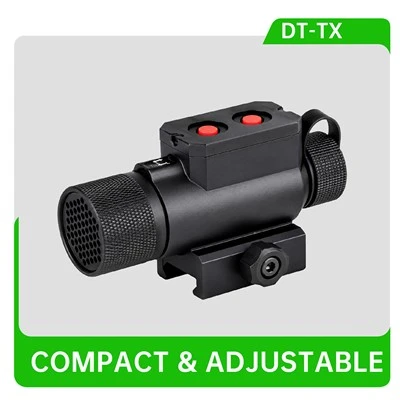
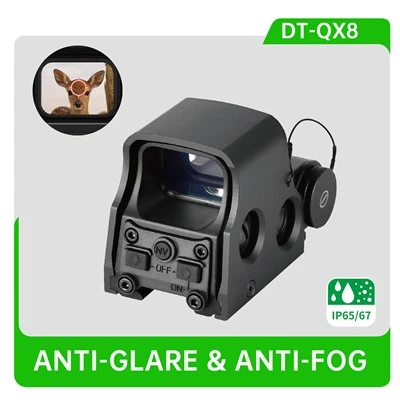
Hey there! As a supplier of Multi Purpose Night Vision Binoculars, I often get asked a super common question: "Are multi purpose night vision binoculars water-resistant or waterproof?" It's a great question, especially when you think about all the different situations these binoculars can be used in. So, let's dive right in and break this down.
Understanding the Difference: Water - Resistant vs. Waterproof
First off, we need to clear up what water - resistant and waterproof actually mean. Water - resistant means the binoculars can handle a little bit of water. Maybe it's a light drizzle, some splashes from a lake, or a bit of sweat. They're designed to keep water out to a certain extent, but they're not built to be submerged in water.
On the other hand, waterproof binoculars are a whole different ballgame. These bad boys can be fully submerged in water for a certain amount of time and at a certain depth without any water getting inside. They're like the tough guys of the night - vision world, ready to take on any wet situation.
Why Water Resistance or Waterproofing Matters
You might be wondering, "Why does this even matter?" Well, think about all the uses of multi - purpose night vision binoculars. Hunters are out in the woods, where it could start raining at any moment. Security guards might have to patrol areas near water sources. And for military personnel, they could be in all sorts of wet and harsh environments.
If your binoculars aren't water - resistant or waterproof, water can seep inside. This can damage the delicate electronic components that make night vision possible. Once water gets in, you might experience fogging inside the lenses, short - circuits in the electronics, or even permanent damage.
How Manufacturers Achieve Water Protection
Manufacturers use different techniques to make night vision binoculars water - resistant or waterproof. One common method is using O - rings. These are rubber rings that are placed around the joints of the binoculars, like where the lenses meet the body. The O - rings create a tight seal that keeps water out.
Another technique is using gaskets. Gaskets are similar to O - rings but are usually made of a different material. They're used to seal any openings in the binoculars, such as the battery compartment or the focus adjustment knobs.
Some high - end binoculars also have a special coating on the lenses. This coating helps repel water, so even if water does hit the lenses, it beads up and rolls off instead of sticking.
Our Product Range and Water Protection
Now, let me tell you about our range of multi - purpose night vision binoculars. We've got a variety of models, each with different levels of water protection.
For those who need just a bit of protection, we have the Night Vision Binoculars with Wid View. These are water - resistant and are great for casual users who might encounter a bit of rain or splashes. They've got a wide field of view, which is awesome for spotting objects in the dark.
If you need something more heavy - duty, check out our IP 67 Waterproof Night Vision Binocualrs. The IP 67 rating means they're dust - tight and can be submerged in water up to 1 meter for 30 minutes. These are perfect for professional users like military and security personnel who might find themselves in wet and dirty environments.
Our Night Vision Binoculars for Search Missions are also water - resistant. They're designed with search and rescue operations in mind, where conditions can be unpredictable. You never know if you're going to be in a rainy forest or near a river.
Then we have the Gen 2+ Night Vision Binocualrs. These are high - quality binoculars with a decent level of water resistance. They offer great image quality in low - light conditions, and the water resistance ensures they can handle a bit of moisture.
Lastly, the FOV 50 Deg Night Vision Binoculars are a popular choice. They have a wide 50 - degree field of view and are water - resistant, making them suitable for a variety of outdoor activities.


How to Test Water Resistance or Waterproofing
If you're unsure about the water protection of your binoculars, there are a few things you can do. For water - resistant binoculars, you can try a simple splash test. Use a spray bottle to gently spray some water on the binoculars. Then, dry them off and check if any water got inside.
For waterproof binoculars, you need to follow the manufacturer's guidelines. Some manufacturers provide a test chamber or a detailed procedure to test the waterproofing. Don't just go and toss your binoculars in the water without knowing the proper limits.
Maintaining Water - Resistant and Waterproof Binoculars
Even if your binoculars are water - resistant or waterproof, they still need some maintenance. After they get wet, make sure to dry them off as soon as possible. Use a soft, dry cloth to wipe away any water from the outside.
If the binoculars have been submerged in water, you might want to take them apart (if possible) and dry the internal components. However, be careful when doing this, as you don't want to damage the delicate parts.
Also, regularly check the O - rings and gaskets for any signs of wear or damage. If they're worn out, replace them to ensure the water protection remains effective.
Final Thoughts and Call to Action
In conclusion, whether you need water - resistant or waterproof night vision binoculars depends on your specific needs. If you're just an occasional user who might encounter some light rain, water - resistant binoculars are probably enough. But if you're in a profession where you're likely to be in wet and harsh conditions, go for waterproof binoculars.
We've got a great range of multi - purpose night vision binoculars to suit your needs. If you're interested in learning more or making a purchase, don't hesitate to reach out. We're here to answer any questions you might have and help you find the perfect pair of binoculars.
References
- Optics Trade Blog: "Waterproof vs Water - Resistant Binoculars"
- Hunting Magazine: "Importance of Water Protection in Night Vision Equipment"