What is an IR illuminator?
In the realm of night - time surveillance, security, and outdoor activities, an IR illuminator plays a crucial and often under - appreciated role. As a reliable IR illuminator supplier, I am excited to delve into the details of what an IR illuminator is, how it functions, its various applications, and why choosing the right one matters.
Understanding the Basics: What is an IR Illuminator?
An IR illuminator, or infrared illuminator, is a device that emits infrared light. Infrared light lies just beyond the visible spectrum of light, with wavelengths ranging from about 700 nanometers to 1 millimeter. Unlike visible light, it is invisible to the human eye but can be detected by infrared - sensitive devices such as night - vision cameras, scopes, and goggles.
The primary purpose of an IR illuminator is to provide additional light in low - light or no - light conditions. In the dark, traditional visible light sources are often not suitable as they can give away one's position, especially in security or military applications. IR illuminators, on the other hand, offer a stealthy way to illuminate an area, allowing infrared - sensitive equipment to capture clear images or see objects that would otherwise be hidden in the darkness.
How Does an IR Illuminator Work?
At the heart of an IR illuminator is an array of infrared light - emitting diodes (IR LEDs). These LEDs are specially designed to emit light in the infrared spectrum. When an electrical current passes through the IR LEDs, they generate light energy in the form of infrared radiation.
The intensity and range of an IR illuminator depend on several factors, including the number of IR LEDs, their power output, and the quality of the optics used to focus the infrared light. Higher - power IR illuminators with more IR LEDs can illuminate larger areas from greater distances. Additionally, some advanced IR illuminators use special lenses or reflectors to shape the beam of infrared light, allowing for a more focused or wider - spread illumination pattern.
Types of IR Illuminators
There are several types of IR illuminators available on the market, each with its own characteristics and applications.
- Near - Infrared (NIR) Illuminators: These illuminators emit infrared light with wavelengths in the near - infrared range (around 700 - 1400 nanometers). NIR illuminators are commonly used in security cameras, as they can provide good illumination for short - to medium - range applications. They are also suitable for indoor use, such as in offices, warehouses, and homes.
- Far - Infrared (FIR) Illuminators: FIR illuminators emit infrared light with wavelengths in the far - infrared range (around 3000 nanometers to 1 millimeter). These illuminators are typically used in thermal imaging applications, where the goal is to detect the heat emitted by objects rather than to simply provide illumination. FIR illuminators are less common for general night - vision purposes.
- Illuminators with Adjustable Wavelengths: Some advanced IR illuminators allow users to adjust the wavelength of the emitted infrared light. This flexibility is useful in different scenarios, as different infrared - sensitive devices may have optimal performance at different wavelengths.
Applications of IR Illuminators
The applications of IR illuminators are diverse and span across multiple industries.


Security and Surveillance
One of the most common applications of IR illuminators is in security and surveillance. Security cameras equipped with IR illuminators can monitor areas 24/7, even in complete darkness. They are used in various settings, including commercial buildings, banks, airports, and residential areas. The ability to see clearly at night helps to detect intruders, monitor activities, and prevent crime.
For example, a large shopping mall might use a network of security cameras with IR illuminators to keep an eye on the parking lots, entrances, and corridors during the night. This ensures that the property is protected and any suspicious behavior can be quickly identified.
Military and Law Enforcement
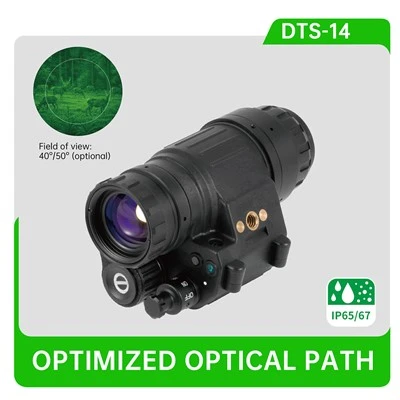
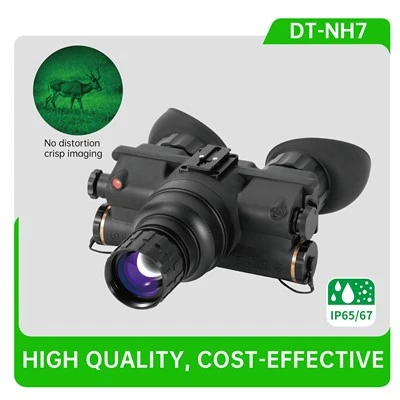
In the military and law enforcement fields, IR illuminators are essential tools. They are used in night - vision goggles, scopes, and other equipment to help soldiers and officers operate in low - light conditions without being detected. Clip On Scope with LR Lluminator is a great example of a product that combines an IR illuminator with a scope for enhanced night - time vision. This type of equipment allows for accurate targeting and surveillance during nighttime operations.
Wildlife Observation and Photography
Wildlife enthusiasts and photographers also benefit from IR illuminators. Many animals are nocturnal, and observing them in their natural habitat at night can be a challenging but rewarding experience. IR illuminators provide a way to illuminate the area without disturbing the animals, as the infrared light is invisible to them. This enables photographers to capture stunning images of wildlife in the dark.
Outdoor Recreation
For outdoor activities such as camping, hiking, and hunting, IR illuminators can be a valuable addition to the gear. They can help users navigate in the dark, find their way back to the campsite, or spot potential hazards. Additionally, hunters can use IR illuminators in combination with night - vision equipment to track game animals at night.
Choosing the Right IR Illuminator
When selecting an IR illuminator, there are several factors to consider.
Range
The range of the IR illuminator is an important consideration. It determines how far the infrared light can reach and illuminate the area. For short - range applications, such as indoor surveillance or close - up photography, a lower - power IR illuminator may be sufficient. However, for long - range applications like monitoring large outdoor areas or military operations, a high - power IR illuminator with a longer range is required.
Beam Pattern
The beam pattern of the IR illuminator affects the distribution of the infrared light. Some illuminators have a narrow, focused beam that can reach a long distance, while others have a wider, flood - type beam that can cover a larger area at a shorter distance. Depending on the specific application, you need to choose an illuminator with the appropriate beam pattern.
Compatibility
It is crucial to ensure that the IR illuminator is compatible with the infrared - sensitive device you are using. Different cameras, scopes, and goggles may have different requirements in terms of wavelength, intensity, and power supply. Make sure to check the specifications of both the illuminator and the device to ensure they work together properly.
Durability
If you plan to use the IR illuminator in harsh environments, such as outdoors in extreme weather conditions or in military operations, durability is a key factor. Look for illuminators that are built with high - quality materials, are waterproof, shockproof, and resistant to dust and debris.
Our IR Illuminator Offerings
As a leading IR illuminator supplier, we offer a wide range of high - quality IR illuminators to meet the diverse needs of our customers. Our products are designed with the latest technology and are built to last. We have illuminators with different ranges, beam patterns, and wavelengths to suit various applications, whether it is for security, military, wildlife, or outdoor recreation.
One of our popular products is the IR Light for Night Vision Use. This illuminator is known for its high - power output, long range, and adjustable beam pattern. It is suitable for both indoor and outdoor use and is compatible with most night - vision cameras and goggles.
Conclusion
In conclusion, an IR illuminator is a powerful and versatile device that has revolutionized the way we see in the dark. Whether it is for security, military, wildlife observation, or outdoor activities, an IR illuminator can provide the necessary illumination to enhance visibility and performance.
If you are in the market for an IR illuminator, we invite you to explore our product range. Our experienced team is ready to assist you in choosing the right illuminator for your specific needs. Contact us for more information and to start a purchase negotiation. We look forward to working with you to provide the best IR illumination solutions.
References
- Optoelectronics: An Introduction, by Keigo Ito
- Night Vision Technology: Principles and Applications, by Earl A. Slayton