Night vision technology has revolutionized the way we perceive and operate in low - light or dark environments. As a night vision supplier, I am excited to delve into how this remarkable technology works. In this blog, we'll explore the fundamental principles behind night vision, different types of night vision devices, and the key components that make them function effectively.
The Basics of Night Vision
At its core, night vision technology is designed to enhance our ability to see in the dark. The human eye is limited in its ability to detect light, especially in low - light conditions. Night vision devices overcome these limitations by either amplifying the available light or using other forms of electromagnetic radiation to create a visible image.
There are two main types of night vision technologies: image intensification and thermal imaging.
Image Intensification
Image intensification is the most common type of night vision technology used in consumer and military applications. It works by collecting and amplifying the small amounts of light available in the dark, such as moonlight, starlight, or infrared light emitted by objects.
How Image Intensification Works
- Light Collection: The process begins with the objective lens of the night vision device. This lens collects the ambient light, which may include visible light and near - infrared (NIR) light. The objective lens is designed to gather as much light as possible and focus it onto the photocathode of the image intensifier tube.
- Photocathode: The photocathode is a key component of the image intensifier tube. When light photons strike the photocathode, they cause electrons to be emitted through a process called the photoelectric effect. Each photon can generate one or more electrons, depending on the efficiency of the photocathode.
- Electron Amplification: The emitted electrons are then accelerated towards a microchannel plate (MCP). The MCP is a thin disk with millions of tiny channels, each acting as a miniature electron multiplier. As the electrons enter these channels, they collide with the channel walls, causing secondary electrons to be released. This process results in a significant amplification of the electron signal, typically by a factor of thousands.
- Phosphor Screen: The amplified electrons then strike a phosphor screen at the end of the image intensifier tube. When the electrons hit the phosphor screen, they cause it to emit visible light, creating an intensified image. The image on the phosphor screen is a green - tinted representation of the original scene, as the human eye is most sensitive to green light.
Generations of Image Intensification Technology
Image intensification technology has evolved over the years, leading to different generations of night vision devices:
- Gen 1: The first generation of night vision devices was developed in the 1960s. They were relatively large, heavy, and had limited performance. Gen 1 devices had a lower light amplification factor and a shorter range compared to later generations.
- Gen 2: Introduced in the 1970s, Gen 2 devices featured the addition of a microchannel plate, which significantly improved the light amplification and image quality. They also had a longer range and better performance in low - light conditions than Gen 1 devices.
- Gen 2+: Gen 2+ is an enhanced version of Gen 2 technology. It offers improved image quality, higher resolution, and better low - light performance. You can find high - quality Gen 2+ devices like our Gen 2+ Night Vision Binocualrs in our product range.
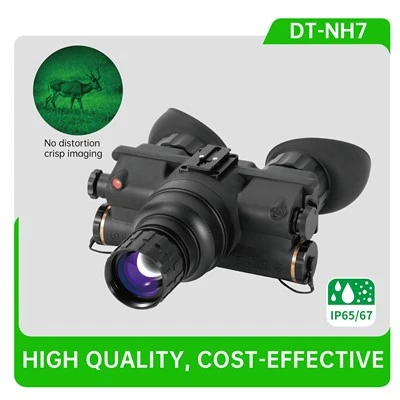
- Gen 3: Gen 3 night vision devices were developed in the 1980s and are the most advanced and widely used in military applications. They feature a gallium arsenide photocathode, which provides superior light sensitivity, high resolution, and long - range performance. Our AN/PVS7 Gen 3 Night Vision Goggles are a prime example of Gen 3 technology.
Thermal Imaging
Thermal imaging is another type of night vision technology that works on a different principle. Instead of relying on ambient light, thermal imaging devices detect the infrared radiation emitted by objects due to their temperature.
How Thermal Imaging Works
- Infrared Detection: Thermal imaging cameras use a special sensor called a microbolometer to detect the infrared radiation emitted by objects. The microbolometer consists of an array of tiny detectors that change temperature in response to the infrared radiation they absorb.
- Temperature Conversion: The change in temperature of the microbolometer detectors is converted into an electrical signal. This signal is then processed by a computer chip inside the thermal imaging camera to create a thermal image.
- Image Display: The thermal image is displayed on a screen, showing the temperature differences between objects in the scene. Warmer objects appear brighter, while cooler objects appear darker.
Thermal imaging has several advantages over image intensification. It can work in complete darkness, as it does not rely on ambient light. It can also detect objects through smoke, fog, and some types of camouflage, making it useful in a variety of military, law enforcement, and surveillance applications.
Components of Night Vision Devices
In addition to the image intensifier tube or thermal sensor, night vision devices also have several other important components:
- Objective Lens: As mentioned earlier, the objective lens collects and focuses the light onto the image intensifier tube or thermal sensor. It is designed to have a large aperture to gather as much light as possible.
- Eyepiece: The eyepiece is used to view the intensified or thermal image. It magnifies the image and allows the user to adjust the focus for a clear view.
- Power Source: Night vision devices require a power source to operate. This can be a battery or, in some cases, an external power supply.
- Housing: The housing of the night vision device protects the internal components from damage and provides a comfortable grip for the user. It is usually made of durable materials such as plastic or metal.
Applications of Night Vision Technology
Night vision technology has a wide range of applications in various fields:
- Military: Night vision devices are essential for military operations, allowing soldiers to conduct missions in low - light or dark conditions. They are used for surveillance, target acquisition, and navigation.
- Law Enforcement: Police officers and other law enforcement agencies use night vision devices for surveillance, stakeouts, and search and rescue operations.
- Hunting: Many hunters use night vision devices to track and hunt animals at night. Our Clear Imaging Night Vision Goggles For Hunting are specifically designed to provide clear and accurate images in hunting environments.
- Security: Night vision cameras are used in security systems to monitor areas at night. They can detect intruders and provide real - time surveillance.
- Wildlife Observation: Biologists and wildlife enthusiasts use night vision devices to observe nocturnal animals in their natural habitats without disturbing them.
Our Product Range
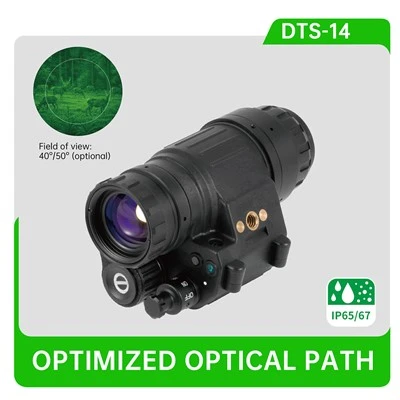
As a night vision supplier, we offer a wide range of high - quality night vision devices to meet the diverse needs of our customers. In addition to the Gen 2+ binoculars and Gen 3 goggles mentioned earlier, we also have Compact Night Vision Monoculars for Tactical applications. These monoculars are lightweight, portable, and easy to use, making them ideal for military, law enforcement, and outdoor enthusiasts.
We also offer Ground Panoramic Night Vision Goggles, which provide a wide field of view and excellent depth perception. These goggles are suitable for ground - based operations and surveillance.


Conclusion
Night vision technology is a fascinating and powerful tool that has transformed the way we operate in low - light and dark environments. Whether you are a military professional, a law enforcement officer, a hunter, or a wildlife enthusiast, our night vision devices can provide you with the clear and accurate vision you need.
If you are interested in purchasing night vision devices for your specific needs, we invite you to contact us for more information and to discuss potential procurement. We are committed to providing our customers with the best products and services in the night vision industry.
References
- "Night Vision Technology: A Comprehensive Guide". Military Technology Journal.
- "The Science of Night Vision". Optics and Photonics Research Institute.
- "Advances in Thermal Imaging Technology". Infrared Science Magazine.