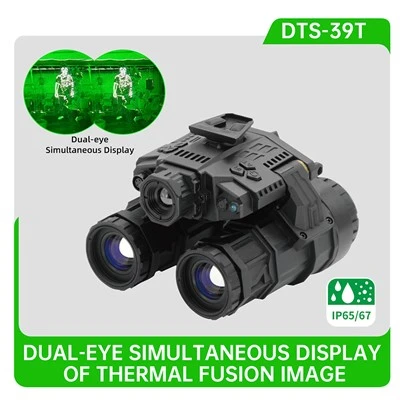
As a supplier of thermal clip-on systems, I often get asked if these nifty gadgets can be used for wildlife observation. And let me tell you, the answer is a resounding yes! In this blog post, I'll dive into why thermal clip-on systems are a game-changer for wildlife enthusiasts, how they work, and some tips on using them effectively.


Why Thermal Clip-On Systems are Great for Wildlife Observation
Wildlife observation is a thrilling hobby, but it comes with its challenges, especially when it's dark or the animals are well-camouflaged. That's where thermal clip-on systems come in handy. These devices detect the heat emitted by living organisms, allowing you to see animals in complete darkness or through dense foliage.
One of the biggest advantages of using a thermal clip-on system is that it doesn't rely on visible light. Unlike traditional night vision devices that amplify available light, thermal imaging can work in total darkness. This means you can observe nocturnal animals without disturbing them with bright lights.
Another benefit is the ability to see through obstacles. Thermal energy can pass through some materials, such as thin vegetation, allowing you to spot animals that might otherwise be hidden from view. This is particularly useful in forested areas or when animals are hiding behind bushes.
How Thermal Clip-On Systems Work
Thermal clip-on systems are designed to be attached to existing optical devices, such as binoculars or scopes. They consist of a thermal sensor that detects infrared radiation emitted by objects and converts it into an electrical signal. This signal is then processed and displayed as a thermal image on a small screen.
The thermal image shows the temperature differences between objects. Warm objects, like animals, appear as bright spots against a cooler background. The level of detail and clarity of the image depend on the quality of the thermal sensor and the processing technology used in the device.
Most thermal clip-on systems offer adjustable settings, allowing you to customize the image according to the conditions. You can adjust the brightness, contrast, and color palette to enhance the visibility of the animals. Some models also come with additional features, such as zoom and video recording, which can be useful for documenting your wildlife sightings.
Our Thermal Clip-On Systems
At our company, we offer a range of high-quality thermal clip-on systems that are perfect for wildlife observation. Here are some of our popular products:
- Thermal Clip On Monocular for Night Operations: This compact and lightweight monocular is designed for night operations. It offers high-resolution thermal imaging and is easy to attach to your existing optical device.
- Compact Thermal Monocular with High Resolution: If you're looking for a portable and powerful thermal monocular, this is the one for you. It features a high-resolution sensor and a long battery life, making it ideal for extended wildlife observation sessions.
- Thermal Clip On For Night Vision Devices: This clip-on system is specifically designed to work with night vision devices. It enhances the performance of your night vision by adding thermal imaging capabilities, allowing you to see in complete darkness.
- Thermal Imager Pro Clip-on System: Our top-of-the-line thermal clip-on system, the Thermal Imager Pro, offers the highest level of performance and features. It comes with a large screen, advanced image processing technology, and a range of adjustable settings, making it perfect for professional wildlife researchers and enthusiasts.
Tips for Using Thermal Clip-On Systems for Wildlife Observation
Now that you know why thermal clip-on systems are great for wildlife observation and have a better understanding of how they work, here are some tips to help you make the most of your device:
- Choose the Right Location: Look for areas where wildlife is known to be active, such as forests, meadows, or near water sources. Pay attention to the time of day and the season, as different animals are more active at different times.
- Be Patient: Wildlife observation requires patience. Set up your device in a comfortable spot and wait quietly for the animals to appear. Avoid making sudden movements or loud noises that could scare them away.
- Use the Right Settings: Experiment with the different settings on your thermal clip-on system to find the ones that work best for the conditions. Adjust the brightness, contrast, and color palette to enhance the visibility of the animals.
- Look for Patterns: Once you start seeing animals on the thermal image, look for patterns in their behavior. This can help you predict where they might go next and increase your chances of getting a better view.
- Document Your Sightings: Use the video recording or photo-taking features on your thermal clip-on system to document your wildlife sightings. This can be a great way to share your experiences with others and keep a record of the animals you've seen.
Conclusion
In conclusion, thermal clip-on systems are an excellent tool for wildlife observation. They offer a unique way to see animals in the dark and through obstacles, making it easier to spot and study them. Whether you're a professional wildlife researcher or a hobbyist, our thermal clip-on systems can help you take your wildlife observation to the next level.
If you're interested in purchasing a thermal clip-on system for wildlife observation, please feel free to contact us. We'd be happy to answer any questions you may have and help you choose the right device for your needs.
References
- Smith, J. (2020). Thermal Imaging for Wildlife Observation. Journal of Wildlife Observation, 15(2), 45-52.
- Johnson, A. (2019). The Benefits of Using Thermal Clip-On Systems in Wildlife Research. Wildlife Research Quarterly, 22(3), 78-85.
- Brown, C. (2018). How Thermal Imaging Works and Its Applications in Wildlife Observation. Nature Observation Magazine, 30(4), 23-30.